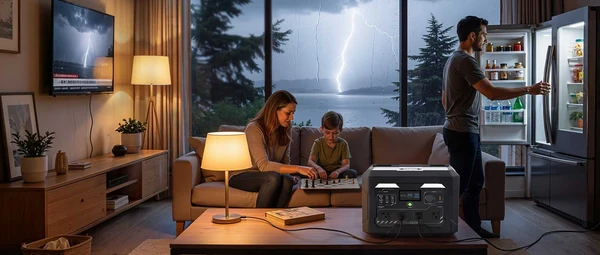
Best Portable Power Stations for Camping: Essential Features to Consider
Camping offers a great opportunity to disconnect from busy routines, spend time outdoors, and enjoy nature. However, modern campers often bring electronic devices such as smartphones, cameras, GPS systems, laptops, portable refrigerators, and lighting equipment. Keeping these devices powered can be challenging when you are far from traditional electrical outlets. This is where portable power stations have become valuable camping companions. Understanding the most important features can help you identify the best portable power stations for camping and choose a model that matches your outdoor lifestyle.
Why Portable Power Stations Are Useful for Camping
A portable power station is essentially a rechargeable battery system designed to provide electricity away from the grid. Unlike traditional gas generators, most modern power stations operate quietly and produce no direct exhaust fumes during use. This makes them especially convenient for campsites, cabins, road trips, and emergency situations.
For campers, a power station can provide electricity for phones, cameras, lights, fans, portable coolers, and other small appliances. Depending on its capacity and output, a larger unit may even support higher-powered equipment for extended periods.
The right choice depends on your camping style. Someone spending one night at a developed campsite may need only a compact unit for charging phones and lights. A person planning a week-long off-grid adventure will likely need a larger battery, multiple charging options, and solar compatibility.
Battery Capacity Matters
One of the first specifications to examine is battery capacity. Capacity is commonly measured in watt-hours (Wh), which indicates approximately how much energy the battery can store.
A smaller power station may be suitable for charging smartphones, cameras, and LED lights. Medium-capacity models can support several devices throughout a weekend, while high-capacity systems are better suited to longer trips or demanding equipment.
When comparing the best portable power stations for camping, think about your actual energy requirements rather than simply choosing the largest battery available. Larger batteries generally add weight and cost, so selecting the appropriate capacity can make your camping setup more practical.
Create a list of the devices you expect to use and estimate how frequently you will recharge them. If you plan to operate a portable refrigerator, electric blanket, or other energy-intensive device, your requirements will be considerably higher than those of a camper who only needs occasional phone charging.
Consider Continuous and Peak Output
Battery capacity is only one part of the equation. You should also examine the power station’s output capabilities. Continuous output, measured in watts, indicates how much power the unit can provide during normal operation.
Peak or surge output is important for appliances that temporarily require additional electricity when starting. Certain devices, particularly those with motors or compressors, may draw more power during startup than they use continuously.
Before purchasing a power station, check the wattage requirements of your equipment. Make sure the unit can comfortably handle the devices you intend to operate. A power station with plenty of stored energy may still be unsuitable if its inverter cannot provide sufficient output.
Port Selection and Connectivity
A good camping power station should offer a useful selection of ports. USB-A and USB-C ports are valuable for charging phones, tablets, cameras, and other personal electronics. USB-C Power Delivery can be particularly useful for compatible laptops and high-speed charging.
AC outlets allow you to connect conventional household-style plugs, while DC ports may be useful for camping refrigerators and other outdoor equipment. Some models also include 12-volt vehicle-style outlets.
The ideal configuration depends on your gear. If several people will share the power station, having multiple charging ports can reduce the need to take turns. Multiple output options also provide greater flexibility when your camping equipment changes.
Portability and Weight
Portability is one of the most important considerations when choosing a camping power station. Battery capacity tends to increase weight, so there is often a trade-off between runtime and convenience.
For backpacking trips, a lightweight compact unit is usually preferable. For car camping, weight may be less important because the power station can remain in or near your vehicle. Larger models may feature carrying handles, wheels, or telescoping handles to make transportation easier.
Consider how far you need to carry the unit from your vehicle to your campsite. A powerful battery that is difficult to move may become inconvenient, particularly if your campsite requires a long walk from the parking area.
Solar Charging Capability
Solar charging can significantly extend your time away from electrical outlets. Many modern power stations can connect to compatible solar panels, allowing campers to replenish the battery using sunlight.
Solar charging speed varies depending on the power station, panel capacity, weather conditions, and available sunlight. If you regularly camp in remote locations, examine the maximum solar input supported by the unit.
A strong solar setup can be particularly valuable during extended trips. Instead of relying entirely on the initial battery charge, you can use solar energy during daylight hours to recharge the station while continuing to power essential devices.
Recharge Speed
Charging speed can make a major difference in convenience. If you frequently travel between campsites, a power station that recharges quickly from an AC outlet can save valuable time.
Some models also support vehicle charging, enabling you to replenish the battery while driving. Solar charging provides another option for longer outdoor adventures.
When comparing the best portable power stations for camping, look at all available charging methods and determine which ones fit your travel habits. A combination of fast AC charging, vehicle charging, and solar compatibility offers greater flexibility.
Durability and Weather Resistance
Camping environments can be unpredictable. Dust, moisture, temperature changes, and accidental bumps are all possibilities when using electronics outdoors.
Look for a power station designed with durable construction and, when available, appropriate protection against dust and water. However, even weather-resistant equipment should generally be protected from heavy rain and direct water exposure unless the manufacturer specifically states otherwise.
Temperature performance is also worth considering. Extreme heat or cold can affect battery performance. Check the manufacturer’s operating and storage recommendations before taking the unit into particularly harsh environments.
Battery Chemistry and Lifespan
Battery chemistry can influence the overall value of a portable power station. Lithium-ion batteries are widely used because they offer a good balance of energy density and weight. Lithium iron phosphate, often called LiFePO4, has also become popular in many newer power stations.
LiFePO4 batteries are generally recognized for their long cycle life and strong thermal stability. If you plan to use your power station frequently, a model with a long expected battery lifespan may offer better long-term value.
It is also useful to review the manufacturer’s battery management system and safety features. Protection against overcharging, overheating, short circuits, and excessive discharge can contribute to safer operation.
Display, Controls, and Smart Features
A clear display can make a power station easier to manage. Useful information may include remaining battery percentage, current power consumption, estimated runtime, and charging status.
Some advanced models offer smartphone applications that allow users to monitor battery levels and control certain functions remotely. These features are not essential for every camper, but they can be convenient when managing a larger outdoor energy system.
Simple controls are equally important. A power station should be easy to operate, especially when you need to access power quickly at night or in changing weather conditions.
Noise Level
One major advantage of battery-powered power stations is quiet operation. Traditional fuel generators can produce significant noise, which may disturb campers and nearby visitors.
For a peaceful outdoor experience, look for a model designed for quiet operation. This is particularly important when using power overnight for lighting, medical equipment, cooling devices, or other essential electronics.
Safety Features and Warranty
Safety should always be part of the purchasing decision. Look for features such as temperature monitoring, overload protection, short-circuit protection, and battery management systems.
A manufacturer’s warranty can also provide additional confidence. Review the warranty period, coverage, and customer support options before purchasing. A reputable support network can be valuable if you experience technical problems during the product’s lifespan.
Choosing the Right Power Station for Your Camping Style
There is no single power station that is perfect for every camper. Lightweight users may prioritize portability and USB charging, while family campers may need more capacity and multiple AC outlets. Off-grid travelers may place greater emphasis on solar charging, while car campers may prefer fast charging and high output.
The best portable power stations for camping are those that balance capacity, output, portability, charging flexibility, durability, and safety according to your specific needs. By calculating your expected energy consumption and considering the equipment you plan to bring, you can avoid paying for unnecessary capacity while ensuring that your essential devices remain powered.
Ultimately, a portable power station can make camping more comfortable without taking away from the outdoor experience. Whether you need reliable lighting, communication, photography equipment, or basic appliances, selecting the right combination of features will help you build a dependable and convenient camping power setup.