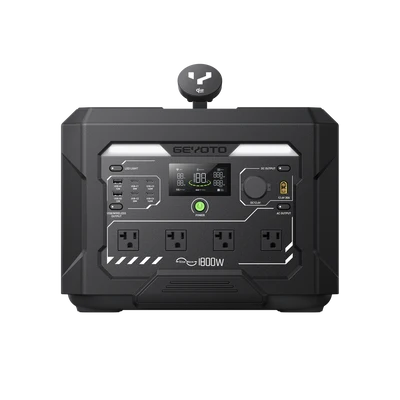
GEYOTO Portable Power Solutions: A Guide to Dependable Energy for Home and Outdoor Use
Reliable access to electricity has become an important part of modern life. Whether you are preparing for an unexpected outage, spending a weekend outdoors, or working in a location without convenient access to a traditional power source, portable energy solutions can provide valuable flexibility. A well-designed portable power station can operate essential devices, support outdoor equipment, and offer an additional layer of preparedness when conventional electricity is unavailable. GEYOTO is a name associated with portable power solutions designed to address these changing energy needs.
Understanding Portable Power Solutions
Portable power solutions are designed to store electrical energy and make it available when and where it is needed. Unlike conventional fuel-powered generators, many modern portable power stations use rechargeable battery technology and can provide electricity without producing exhaust fumes during operation.
This makes them particularly useful for indoor backup situations, camping, road trips, workshops, remote work, and emergency preparedness. Depending on the model and capacity, a portable power station can potentially support devices ranging from smartphones and laptops to lights, communication equipment, small appliances, and other electronics.
The primary advantage is convenience. Instead of depending entirely on a wall outlet or carrying fuel, users can keep a rechargeable energy source available for situations where conventional electricity is limited.
Why Portable Energy Matters at Home
Power interruptions can happen for many reasons, including severe weather, infrastructure problems, maintenance, or unexpected equipment failures. Even a short outage can become inconvenient when essential electronics need to remain operational.
A portable power station can serve as part of a household backup strategy. It may help keep phones charged, power LED lights, operate networking equipment, or maintain access to essential electronic devices. For people who work from home, maintaining power for a laptop, monitor, router, or other equipment can also help reduce disruption.
The capacity required depends on the household’s priorities. Small units are generally convenient for charging personal electronics, while higher-capacity systems can support more demanding equipment for longer periods. Users should calculate their expected energy consumption before choosing a particular solution.
Outdoor Adventures and Portable Electricity
Outdoor recreation is another area where portable energy can make a significant difference. Camping and road trips often involve spending extended periods away from electrical outlets. Portable power equipment can provide a practical way to maintain access to modern conveniences while enjoying the outdoors.
Campers can use stored energy for lighting, charging phones, powering cameras, running small fans, or operating other compatible electronics. Travelers may also appreciate having an independent source of electricity when staying in remote areas.
For outdoor enthusiasts, portability is particularly important. A useful power station should be practical to transport and simple to operate. Weight, dimensions, battery capacity, available ports, charging options, and overall construction should all be considered before making a purchase.
Exploring GEYOTO Portable Power Technology
GEYOTO portable power solutions are aimed at users looking for flexible electricity for both everyday and outdoor applications. Portable power stations typically combine a rechargeable battery with multiple output ports, allowing several compatible devices to be connected.
One of the most useful features of modern systems is the variety of charging and output options. Depending on the specific model, users may find AC outlets, USB ports, DC outputs, and other connections designed for different types of equipment.
Multiple ports can make a power station more convenient because users do not necessarily need separate adapters or power sources for every device. A single unit can potentially serve as a central energy hub during travel, camping, work, or emergency situations.
Battery Capacity and Runtime
Battery capacity is one of the most important specifications to understand when evaluating portable power equipment. It is commonly expressed in watt-hours, or Wh. A higher watt-hour rating generally means the battery stores more energy, although actual runtime depends on the power requirements of connected devices and conversion losses.
For example, a smartphone requires relatively little electricity compared with a refrigerator, electric heater, or power tool. Therefore, a battery station that can charge personal electronics many times may not necessarily operate a high-powered appliance for an extended period.
Users should make a list of the devices they expect to operate and determine their approximate wattage. This makes it easier to estimate whether a particular capacity will meet their needs.
Charging Options for Greater Flexibility
A portable power station becomes more useful when it offers several ways to recharge. Traditional AC charging can be convenient at home, while vehicle charging can be useful during road trips.
Solar charging is another attractive option for outdoor users. When compatible with a suitable solar panel and exposed to adequate sunlight, a portable battery system can replenish stored energy without relying exclusively on a traditional electrical outlet.
Solar charging can be especially valuable during extended camping trips or emergency situations. However, charging performance depends on factors such as sunlight intensity, panel capacity, weather conditions, and the specific power station’s charging requirements.
Safety Features and Responsible Use
Safety should always be considered when using rechargeable electrical equipment. Users should follow the manufacturer’s instructions and operate the power station within its specified limits.
Important considerations include overload protection, temperature management, short-circuit protection, appropriate charging procedures, and proper storage. Electronics should only be connected if their power requirements are compatible with the station’s output capabilities.
It is also important to inspect cables, plugs, and connectors regularly. Damaged accessories should not be used. Keeping the equipment clean, dry, and stored according to manufacturer recommendations can also help support reliable operation.
Portable Power for Emergency Preparedness
Emergency preparedness is one of the strongest reasons to maintain a portable energy source at home. Severe weather and unexpected outages can leave households without electricity for hours or longer.
A charged portable power station can help maintain access to communication and lighting during these situations. Keeping mobile phones, radios, laptops, medical-related electronic equipment where appropriate, and other essential devices powered can make an outage easier to manage.
Rather than waiting for an emergency to determine whether the equipment works, users should periodically check battery levels and charging functionality. A basic preparedness routine can help ensure that the power station is ready when needed.
Choosing the Right Portable Power Station
There is no single portable power station that is ideal for every user. The best choice depends on intended applications, required runtime, portability preferences, and budget.
Before purchasing, consider battery capacity, continuous and peak output, number and type of ports, recharge speed, solar compatibility, weight, dimensions, and warranty coverage. Buyers should also check whether the unit can safely operate the appliances they intend to connect.
For occasional camping and personal electronics, a compact model may be sufficient. For home backup or demanding equipment, a higher-capacity system may be more appropriate.
Maintaining Reliable Performance
Proper maintenance can contribute to the long-term usefulness of a portable power station. Users should follow recommended charging and storage practices rather than allowing the battery to remain neglected for long periods.
Extreme temperatures should generally be avoided unless the manufacturer specifically states that the unit is designed for those conditions. Keeping the device away from excessive moisture and physical damage is equally important.
Regularly checking the battery, connectors, cables, and display can help users identify potential problems early. A simple maintenance routine is especially valuable when the power station is intended for emergency use.
The Future of Portable Energy
As battery technology continues to develop, portable power solutions are becoming increasingly practical for households, travelers, outdoor enthusiasts, and mobile workers. Improvements in energy storage, charging technology, portability, and connectivity can make independent electricity easier to access.
GEYOTO represents the broader movement toward flexible energy solutions that can fit into different aspects of daily life. From keeping essential electronics running during an outage to providing convenient electricity at a campsite, portable power technology can reduce dependence on fixed electrical infrastructure.
Ultimately, the value of a portable power station comes from matching its capabilities to real-world requirements. Understanding energy consumption, battery capacity, charging methods, safety features, and portability helps users make informed decisions. With the right preparation and equipment, portable electricity can provide greater convenience and confidence at home, on the road, and in the outdoors.
