Key Factors to Consider When Choosing a Trampoline Park Equipment Manufacturer
Trampoline parks have become popular entertainment destinations for children, teenagers, families, and active adults. From open jumping courts and dodgeball zones to foam pits, climbing elements, and interactive attractions, modern trampoline parks offer a wide range of activities. However, the quality, safety, and long-term success of a park depend heavily on one important decision: choosing the right Trampoline Park Equipment Manufacturer.
A reliable manufacturer does more than supply jumping equipment. The right partner can help with design, customization, safety considerations, installation, maintenance, and ongoing support. Because trampoline equipment represents a major investment, operators should carefully evaluate manufacturers before making a purchasing decision.
Safety Standards and Product Quality
Safety should be the first consideration when selecting a Trampoline Park Equipment Manufacturer. Trampoline parks involve high-energy activities, so every component needs to be designed and produced with safety in mind. A reputable manufacturer should use durable materials, reliable construction techniques, and appropriate protective features.
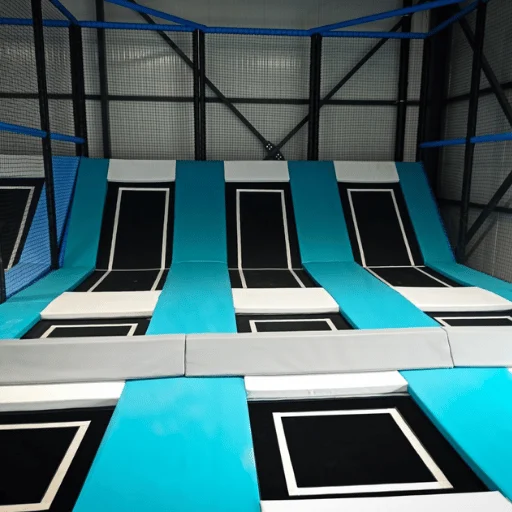
Look for equipment that includes quality padding, secure connections, strong frames, durable trampoline mats, and effective safety barriers. Manufacturers should also demonstrate a clear understanding of applicable industry standards and safety requirements.
Product quality is equally important. Equipment that looks attractive but wears out quickly can lead to higher maintenance costs and operational problems. Ask about material specifications, manufacturing processes, product testing, and expected service life before placing an order.
Experience in Trampoline Park Design
Experience is another important factor. An established Trampoline Park Equipment Manufacturer is more likely to understand the challenges involved in creating functional and enjoyable trampoline parks.
Experienced manufacturers can often provide valuable guidance about space utilization, activity placement, visitor flow, capacity, and safety zones. Their knowledge can help operators avoid common design mistakes and create a facility that works efficiently.
Ask potential manufacturers about previous projects and the types of facilities they have supplied. A manufacturer with experience in different markets may also have a better understanding of varying customer expectations and operational requirements.
Customization Options
Every trampoline park has different goals, available space, target customers, and budget considerations. For this reason, customization can be extremely valuable.
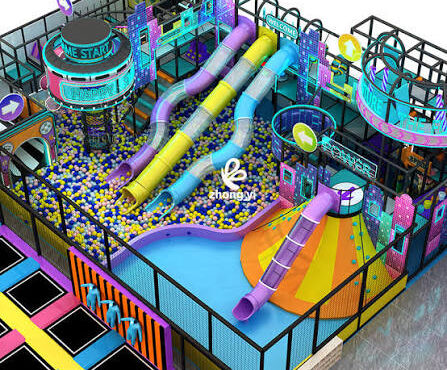
A capable Trampoline Park Equipment Manufacturer should offer flexible solutions rather than forcing every customer to select from a single standard layout. Custom designs may include different trampoline configurations, themed structures, climbing areas, interactive games, foam pits, ninja-style challenges, and dedicated zones for younger visitors.
Customization also allows operators to make better use of unusual floor plans. Instead of leaving difficult corners or limited spaces unused, customized equipment can turn them into productive entertainment areas.
Durability and Materials
Trampoline park equipment experiences continuous use, especially in busy commercial facilities. Hundreds of visitors may use the same attractions every day, making durability essential.
When comparing manufacturers, investigate the materials used for frames, springs, trampoline surfaces, padding, nets, platforms, and other components. Strong materials can withstand frequent use while maintaining performance and appearance.
It is also useful to ask about replacement parts. Even high-quality equipment eventually requires maintenance. A manufacturer that can provide replacement mats, padding, springs, fasteners, and other components can help operators keep their facilities running efficiently.
Installation and Project Support
Purchasing equipment is only one part of developing a trampoline park. Proper installation is essential for performance and safety. Therefore, operators should determine what type of installation support a manufacturer provides.
Some manufacturers offer professional installation teams, while others provide detailed installation guidance for local contractors. Clarify these services before signing an agreement.
A dependable manufacturer may also assist with site planning, equipment positioning, technical drawings, and project coordination. This support can make the development process more organized and reduce costly mistakes.
Maintenance and After-Sales Service
A strong relationship with a Trampoline Park Equipment Manufacturer should continue after installation. Regular inspection and maintenance are necessary to keep equipment functioning properly and visitors protected.
Ask manufacturers about after-sales support, maintenance instructions, inspection recommendations, warranty coverage, and replacement-part availability. Find out how quickly technical questions are normally addressed and whether customer support is available after the project is completed.
A manufacturer that provides long-term support demonstrates confidence in its products and commitment to customer relationships.
Design, Appearance, and Visitor Appeal
Safety and durability are essential, but appearance also plays an important role in a successful trampoline park. Visitors are attracted to spaces that look energetic, modern, clean, and exciting.
The right manufacturer should be able to offer visually appealing equipment that matches the overall theme of the facility. Bright colors, creative shapes, themed structures, branded elements, and interactive features can contribute to a memorable experience.
A well-designed park can also create opportunities for photographs and social media content. Attractive attractions may encourage visitors to share their experiences, helping increase awareness of the facility.
Efficient Use of Available Space
Floor space is one of the most valuable resources in a trampoline park. Poorly planned equipment can create congestion, unused areas, or inefficient visitor movement.
A knowledgeable Trampoline Park Equipment Manufacturer should consider the dimensions and layout of the facility before recommending equipment. The manufacturer should understand how attractions can be positioned to create appropriate circulation paths and separate different activities.
Efficient space planning can allow operators to offer more attractions without making the facility feel overcrowded. It can also improve staff visibility and make daily operations easier.
Budget and Overall Value
Price is naturally an important consideration, but the cheapest equipment is not always the best investment. Operators should evaluate total value rather than focusing only on the initial purchase price.
Consider equipment quality, expected lifespan, installation costs, maintenance requirements, warranty terms, replacement-part costs, and after-sales support. A higher-quality system may cost more initially but potentially provide better long-term value through durability and reduced maintenance needs.
Request detailed quotations from several manufacturers and compare what each package includes. This makes it easier to identify hidden costs and understand the actual investment required.
Certifications and Documentation
Professional manufacturers should be able to provide relevant documentation for their equipment. Depending on the market and project, this may include technical specifications, safety documentation, material information, installation instructions, inspection guidelines, and certifications.
Do not hesitate to ask questions about compliance and testing. Proper documentation can help operators understand how equipment should be installed, maintained, and inspected.
Reputation and Customer Feedback
Before selecting a Trampoline Park Equipment Manufacturer, research its reputation. Look for customer reviews, project examples, company history, and feedback from other park operators.
Speaking directly with previous customers can be especially useful. Ask whether the manufacturer delivered equipment on schedule, provided accurate specifications, handled installation professionally, and responded effectively when support was needed.
A strong reputation does not guarantee that every project will be perfect, but it can provide useful evidence about the manufacturer’s reliability and professionalism.
Communication and Project Management
Clear communication can make a major difference during a large equipment project. From initial planning to final installation, operators need timely information about specifications, costs, schedules, modifications, and technical requirements.
Choose a manufacturer that communicates clearly and responds to questions professionally. The manufacturer should be willing to explain technical details in understandable terms and keep the project organized.
Poor communication can result in misunderstandings, delays, unexpected expenses, and installation problems. A responsive manufacturer is therefore an important long-term business partner.
Conclusion
Choosing the right Trampoline Park Equipment Manufacturer requires more than comparing product prices. Operators should evaluate safety, quality, durability, customization, installation support, maintenance services, design capabilities, documentation, reputation, and overall value.
The ideal manufacturer should combine reliable equipment with professional project support and a strong understanding of trampoline park operations. By carefully reviewing these factors before making a decision, investors and operators can create attractive, durable, and well-planned entertainment spaces that provide enjoyable experiences for visitors while supporting long-term business performance.