Pixel Art Information Display Ideas for Expressive Modern Workspaces
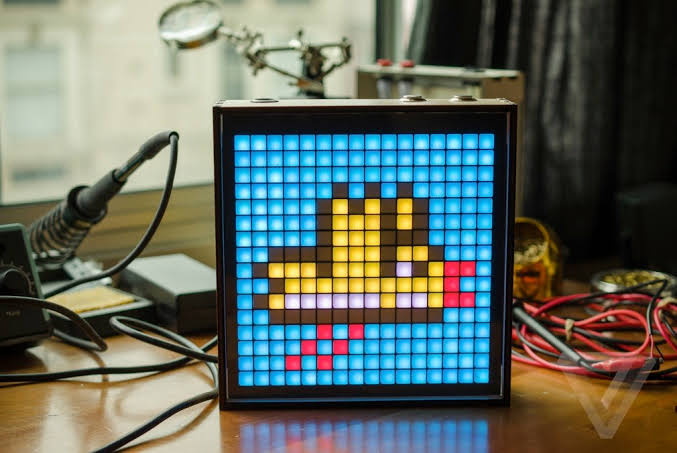
Modern workspaces are no longer designed only around desks, chairs, computers, and storage. Increasingly, people want their work environments to reflect personality, creativity, and technology. One of the most interesting ways to achieve this balance is by introducing a pixel art information display. Combining functional information with colorful digital visuals, these displays can transform an ordinary workspace into a more expressive and engaging environment.
Pixel-inspired visuals have a unique ability to connect contemporary technology with the nostalgic appeal of classic digital graphics. At the same time, an information display can provide practical details such as time, weather, reminders, notifications, schedules, or custom messages. This combination makes pixel-based displays suitable for home offices, creative studios, gaming rooms, collaborative workplaces, and personal desks.
Bring Personality to a Minimalist Desk
Minimalist workspaces often rely on neutral colors, clean surfaces, and limited decoration. While this style can look sophisticated, it may sometimes feel visually empty. A pixel art information display can add personality without creating unnecessary clutter.
A small display placed beside a monitor can become a focal point while maintaining the clean appearance of the desk. Users can choose pixel animations, icons, characters, landscapes, or abstract patterns that match their personal interests. Because the content can often be changed digitally, the workspace can have a different visual mood without requiring new physical decorations.
For people who spend many hours at a desk, this small touch of customization can make the environment feel more personal and comfortable.
Create a Dynamic Visual Centerpiece
Traditional wall art remains popular, but digital displays provide something static artwork cannot: movement. A pixel art information display can continuously change its visuals, creating an animated centerpiece for a modern workspace.
For example, a display could show a slowly changing digital landscape during focused work sessions and switch to colorful animations during breaks. A creative professional might choose abstract pixel compositions, while a gaming enthusiast could use retro-inspired characters and environments.
The changing visuals can also help prevent the workspace from feeling repetitive. Instead of looking at the same decoration every day, users can rotate different themes according to seasons, projects, moods, or personal preferences.
Combine Useful Information With Digital Art
One of the strongest advantages of a pixel-based information display is its ability to combine utility and decoration. Instead of dedicating desk space to separate clocks, calendars, notification devices, and decorative objects, one compact display can perform several visual functions.
A display might show the current time alongside a small animation. It could provide weather information while displaying a matching pixel landscape. A reminder could appear with a colorful icon rather than as plain text.
This approach makes information easier to notice without making the workspace look overly technical. The display becomes part of the décor while still serving a practical purpose.
Use Pixel Art to Support Different Work Modes
Modern professionals often move between different types of tasks throughout the day. A creative workspace can benefit from visual cues that represent these changes.
During concentrated work, a simple animation or subtle visual theme can provide a calm background. During brainstorming sessions, more energetic graphics can create a lively atmosphere. For meetings, the display could show a simple status message or visual indicator.
A pixel art information display can therefore become part of a workspace routine. Rather than functioning only as decoration, it can help communicate the current state of the work environment.
Add Retro Character to Contemporary Interiors
Pixel art naturally carries a retro digital aesthetic. Its block-based appearance recalls early computer games, classic arcade machines, and older digital interfaces. Bringing this visual language into a modern workspace creates an interesting contrast.
A contemporary desk with a sleek monitor, wireless accessories, and minimalist furniture can become more expressive when paired with colorful pixel graphics. The result is a mixture of modern technology and nostalgic design.
This style works particularly well in creative studios and gaming-inspired offices, where digital culture is already part of the environment. However, even a professional office can benefit from a subtle pixel display when the design is kept tasteful and coordinated.
Build a Personalized Creative Theme
A workspace can communicate a lot about the person using it. Designers, programmers, artists, writers, and other creative professionals often have different visual preferences, and digital displays offer considerable flexibility.
A programmer might choose coding-inspired symbols or geometric animations. An artist could use changing pixel landscapes or colorful abstract designs. A music enthusiast might select animated equalizers or rhythm-inspired visuals.
The ability to customize the screen means the same type of device can fit many different personalities. This makes the pixel art information display more versatile than conventional decorative objects.
Enhance Collaborative Workspaces
Pixel displays are not limited to individual desks. They can also contribute to shared work environments. In a collaborative office, a display can communicate useful information while adding visual character to a common area.
For example, a shared workspace could use a display to show the date, time, room status, upcoming activities, or rotating team messages. These practical details can be presented alongside attractive pixel graphics.
Because the visual presentation is more engaging than a basic text-only screen, people may be more likely to notice the information. This can be especially useful in creative agencies, studios, classrooms, and informal offices.
Match the Display With Workspace Colors
For a cohesive interior, the display should complement the existing workspace rather than compete with it. Color selection can make a significant difference.
A desk dominated by neutral shades can accommodate bright pixel graphics as an accent. In a colorful room, softer animations may create better visual balance. Users can also choose themes that repeat colors already present in furniture, lighting, artwork, or accessories.
This approach turns the display into an intentional design element rather than an isolated gadget.
Create Seasonal and Mood-Based Visuals
One advantage of digital decoration is the ability to change it whenever desired. Seasonal visuals can make a workspace feel fresh throughout the year.
Winter scenes, spring landscapes, summer graphics, autumn colors, holiday-themed animations, and special-event designs can all provide variety. Users can also select visuals based on mood.
A calm nighttime animation may work well during evening sessions, while energetic graphics can make daytime work feel more lively. These small changes can help create a workspace that feels dynamic rather than static.
Make Information More Visually Engaging
Information is often presented in plain text, but visual communication can be more memorable. Pixel graphics can give ordinary information a distinctive visual identity.
A simple weather update can become a tiny animated scene. A notification can appear with a recognizable icon. A countdown can be paired with an animated character or progress sequence.
The objective is not to overload the user with visual effects. Instead, the goal is to make useful information easier and more enjoyable to interact with.
Choose Placement Carefully
Where a display is positioned can influence both its usefulness and its visual impact. On a desk, it should be visible without blocking the computer monitor or consuming too much working space.
A shelf can provide a slightly elevated position, making the display easier to see from across a room. Wall-mounted placement can turn it into a stronger decorative feature.
The ideal location depends on whether the primary goal is information, decoration, or a combination of both. In every case, visibility and comfortable viewing should remain priorities.
Expressive Workspaces With a Digital Personality
The modern workspace is becoming more personal, flexible, and visually expressive. Technology is no longer restricted to functional equipment; it is increasingly becoming part of interior design. A pixel art information display fits naturally into this evolution because it combines useful digital information with creative visual expression.
From minimalist desks and home offices to gaming rooms and collaborative studios, these displays can introduce movement, personality, nostalgia, and practical information without requiring significant space. Their customizable nature also allows users to adapt the visual experience to different activities, seasons, and moods.
Ultimately, an expressive workspace does not need to be filled with decorations. A carefully selected digital display can provide a small but powerful visual statement. By combining retro-inspired pixel aesthetics with modern information features, it can turn an ordinary work area into a space that feels more creative, engaging, and distinctly personal.