How Industrial Precision Inverter Transformer Cores Improve Power Output Stability
Introduction to Precision Transformer Cores in Industrial Systems
In modern industrial environments, maintaining stable and reliable power output is critical for ensuring operational efficiency and equipment longevity. One of the most essential components contributing to this stability is the precision inverter power supply transformer core. These cores play a pivotal role in converting and regulating electrical energy, particularly in systems where consistency and accuracy are non-negotiable. As industries increasingly rely on sensitive electronics and automated processes, the demand for advanced core materials and designs continues to grow. A trusted nano-crystal ring-shaped iron core manufacturer can significantly influence the performance and reliability of such systems.
Understanding Inverter Power Supply Transformer Cores
Transformer cores are the heart of any inverter power supply system. Their primary function is to transfer electrical energy between circuits through electromagnetic induction while minimizing energy loss. In industrial applications, precision cores are engineered to operate efficiently under high-frequency conditions, making them ideal for inverter systems that require rapid switching and stable output.
Role of Core Materials in Performance
The material used in transformer cores directly impacts their efficiency and stability. Traditional silicon steel cores have been widely used, but advancements in material science have introduced nano-crystalline cores, which offer superior magnetic properties. These materials reduce core losses, improve permeability, and enhance overall performance. A reputable nano-crystal ring-shaped iron core manufacturer ensures that these materials meet stringent industrial standards.
Importance of Ring-Shaped Core Design
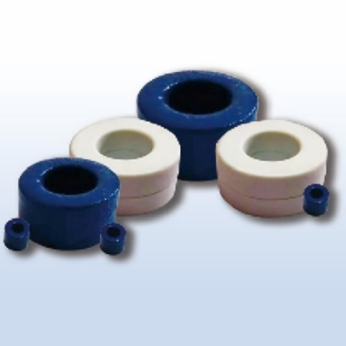
Ring-shaped, or toroidal, cores are particularly beneficial in inverter applications due to their closed-loop structure. This design minimizes magnetic leakage and enhances energy transfer efficiency. It also reduces electromagnetic interference, which is crucial in industrial settings with multiple electronic devices operating simultaneously.
Enhancing Output Stability Through Precision Engineering
Output stability is a key requirement in industrial power systems, and precision transformer cores are designed to meet this need through advanced engineering techniques.
Reduction of Core Losses
Core losses, including hysteresis and eddy current losses, can significantly impact the efficiency of a transformer. Precision cores made from nano-crystalline materials exhibit lower losses, resulting in more stable output and reduced energy wastage. Partnering with a reliable nano-crystal ring-shaped iron core manufacturer ensures consistent quality and performance.
Improved Magnetic Properties
High permeability and low coercivity are essential characteristics of precision transformer cores. These properties enable the core to respond quickly to changes in magnetic fields, ensuring stable voltage and current output even under fluctuating load conditions.
Thermal Stability and Heat Management
Industrial environments often involve high temperatures and heavy loads. Precision transformer cores are designed to withstand these conditions without degradation. Nano-crystalline cores, in particular, offer excellent thermal stability, reducing the risk of overheating and ensuring consistent performance over time.
Applications in Industrial Systems
Precision inverter power supply transformer cores are widely used across various industrial applications where stable power output is crucial.
Manufacturing and Automation
In automated production lines, consistent power supply is essential for maintaining precision and efficiency. Transformer cores ensure that machinery operates smoothly without voltage fluctuations that could disrupt processes.
Renewable Energy Systems
Inverter systems used in solar and wind energy applications rely on high-performance transformer cores to convert and stabilize power output. A dependable nano-crystal ring-shaped iron core manufacturer plays a vital role in supporting these sustainable energy solutions.
Data Centers and IT Infrastructure
Data centers require uninterrupted and stable power to protect sensitive equipment and maintain operations. Precision transformer cores help achieve this by minimizing power disturbances and ensuring reliable energy distribution.
Advantages of Nano-Crystalline Transformer Cores
The adoption of nano-crystalline materials in transformer cores has revolutionized the industry, offering numerous benefits over traditional materials.
High Efficiency and Low Energy Loss
Nano-crystalline cores significantly reduce energy losses, leading to improved system efficiency. This not only enhances output stability but also reduces operational costs.
Compact and Lightweight Design
These cores allow for more compact transformer designs without compromising performance. This is particularly advantageous in industrial settings where space optimization is important.
Enhanced Durability and Longevity
Precision cores made from advanced materials are more resistant to wear and degradation, ensuring long-term reliability. Choosing a trusted nano-crystal ring-shaped iron core manufacturer ensures access to high-quality products that meet industrial demands.
Key Factors When Selecting a Transformer Core Manufacturer
Selecting the right manufacturer is crucial for achieving optimal performance and stability in inverter power supply systems.
Quality Assurance and Certifications
A reliable manufacturer adheres to international quality standards and provides certifications that ضمان product performance and safety.
Customization Capabilities
Industrial applications often require customized solutions. A reputable nano-crystal ring-shaped iron core manufacturer offers tailored designs to meet specific requirements.
Technological Expertise
Advanced manufacturing processes and continuous innovation are indicators of a trustworthy supplier. Manufacturers with strong research and development capabilities are better equipped to deliver high-performance transformer cores.
Future Trends in Transformer Core Technology
As industrial systems continue to evolve, transformer core technology is also advancing to meet new challenges.
Integration with Smart Systems
Future transformer cores will likely be integrated with smart monitoring systems, enabling real-time performance tracking and predictive maintenance.
Development of Advanced Materials
Ongoing research in material science is expected to produce even more efficient and durable core materials, further enhancing output stability.
Focus on Sustainability
Energy efficiency and environmental sustainability are becoming increasingly important. Transformer cores that minimize energy loss and support renewable energy systems will play a key role in achieving these goals.
Conclusion
Precision inverter power supply transformer cores are essential components in modern industrial systems, ensuring stable and reliable power output. The use of advanced materials such as nano-crystalline alloys, combined with innovative design techniques, significantly enhances performance and efficiency. By partnering with a reputable nano-crystal ring-shaped iron core manufacturer, industries can achieve optimal output stability, reduce energy losses, and improve overall system reliability. As technology continues to advance, these transformer cores will remain at the forefront of industrial power solutions, supporting the growing demand for efficient and sustainable energy systems.