How Low Volume CNC Machining Streamlines Costs in Production
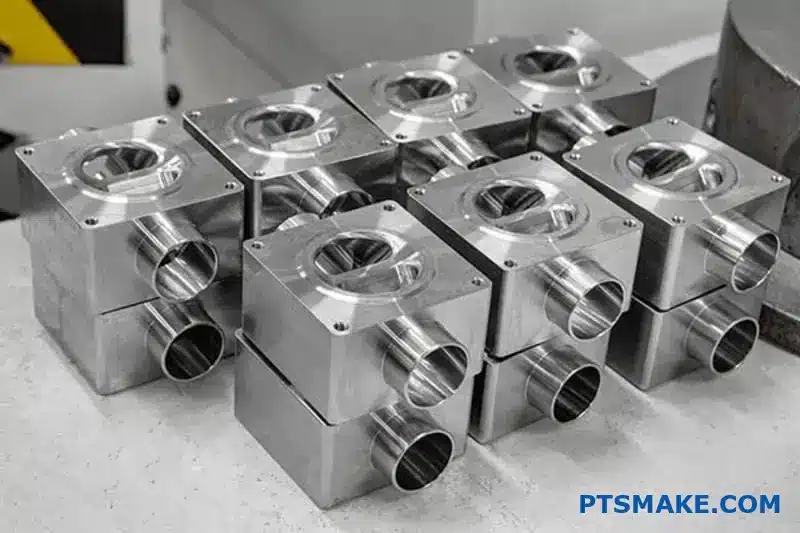
n today’s competitive manufacturing landscape, businesses are under constant pressure to deliver high-quality products while keeping production costs under control. Traditional mass production methods often require significant upfront investments, large inventory commitments, and long lead times. This is where low volume cnc machining offers a powerful alternative. By focusing on smaller production runs with high precision and flexibility, manufacturers can significantly reduce overall costs without compromising quality.
Low volume cnc machining combines advanced automation with cost-efficient production strategies, allowing companies to optimize resources, reduce waste, and accelerate time to market. Whether for startups launching new products or established companies testing prototypes, this approach has become an essential tool for modern manufacturing.
Understanding Low Volume CNC Machining
Low volume cnc machining refers to the production of a limited number of parts—typically ranging from a few units to several thousand—using Computer Numerical Control (CNC) machines. These machines automate cutting, drilling, milling, and shaping processes with exceptional accuracy.
Unlike traditional manufacturing techniques such as injection molding or die casting, which require expensive molds and tooling, low volume cnc machining operates directly from digital CAD files. This eliminates the need for costly tooling setups, making it ideal for short production runs and customized parts.
Industries such as aerospace, automotive, medical devices, and consumer electronics increasingly rely on this method to produce precision components quickly and affordably.
Reduced Tooling and Setup Costs
One of the most significant ways low volume cnc machining reduces manufacturing costs is by eliminating expensive tooling requirements. In high-volume production methods, molds and dies can cost thousands—or even hundreds of thousands—of dollars to produce. These costs are only justified when manufacturing large quantities.
With low volume cnc machining, parts are produced directly from digital designs without the need for custom molds. This dramatically lowers upfront costs, making it especially beneficial for startups and small businesses with limited budgets.
Additionally, CNC machines require minimal setup changes between production runs. Operators can quickly adjust programming to accommodate design modifications, further reducing downtime and labor costs.
Lower Inventory and Storage Expenses
Mass production often requires manufacturers to produce large quantities of products at once to achieve economies of scale. However, this approach can lead to excess inventory, tying up capital and increasing storage expenses.
Low volume cnc machining supports a just-in-time manufacturing model. Companies can produce smaller batches based on actual demand, reducing the risk of overproduction and unsold stock. This leads to:
- Reduced warehouse costs
- Lower risk of product obsolescence
- Improved cash flow management
By aligning production with market demand, businesses avoid unnecessary financial strain and minimize waste.
Faster Prototyping and Product Development
Speed is critical in modern markets. The ability to develop, test, and refine products quickly can determine whether a company gains or loses a competitive advantage.
Low volume cnc machining accelerates prototyping by allowing engineers to move directly from CAD designs to physical parts. Because there is no need to create molds, prototypes can be manufactured within days instead of weeks or months.
Faster prototyping offers several cost-saving advantages:
- Early identification of design flaws
- Reduced need for multiple costly redesigns
- Shorter product development cycles
- Quicker time to market
When companies can test and refine designs early, they avoid expensive production errors later.
Design Flexibility Without High Penalties
In traditional manufacturing, design changes after tooling has been created can be extremely costly. Modifying molds or dies often requires additional investment and delays production schedules.
With low volume cnc machining, design adjustments are relatively simple. Engineers can update the digital file and rerun the machine with minimal disruption. This flexibility allows businesses to:
- Respond quickly to customer feedback
- Customize products for niche markets
- Improve product performance without large reinvestments
The ability to adapt without incurring heavy financial penalties significantly reduces long-term production costs.
Reduced Labor Costs Through Automation
CNC machines operate with high levels of automation, reducing the need for manual labor. Once programmed, these machines can produce complex components with minimal supervision.
Automation helps lower manufacturing costs by:
- Minimizing human error
- Reducing scrap and rework
- Increasing production efficiency
- Operating continuously with limited downtime
Lower labor requirements translate directly into cost savings, especially in regions where skilled labor is expensive.
Minimized Material Waste
Material waste is a major contributor to manufacturing expenses. Inefficient production methods can result in excessive scrap, defective parts, and wasted raw materials.
Low volume cnc machining uses precise cutting techniques guided by computer programming. This precision ensures that material is removed only where necessary, reducing waste. Advanced software can also optimize tool paths to maximize material utilization.
The benefits include:
- Lower raw material costs
- Reduced disposal expenses
- Improved environmental sustainability
By minimizing waste, companies not only save money but also enhance their sustainability credentials.
Ideal for Bridge Production
Bridge production refers to manufacturing small quantities of a product while preparing for larger-scale production. This is common when transitioning from prototype to full-scale manufacturing.
Low volume cnc machining is ideal for bridge production because it allows companies to begin selling products without waiting for expensive tooling to be completed. This approach:
- Generates early revenue
- Tests market demand
- Reduces financial risk
If demand increases, companies can later invest in high-volume production methods with greater confidence.
Enhanced Quality Control
Poor quality can significantly increase manufacturing costs due to returns, repairs, and reputational damage. CNC machining offers high precision and repeatability, ensuring consistent product quality across small batches.
Tight tolerances and automated control systems reduce the likelihood of defects. This leads to:
- Fewer rejected parts
- Lower rework costs
- Improved customer satisfaction
By producing accurate components from the start, manufacturers avoid the hidden costs associated with quality failures.
Scalable Production Without Major Investment
One of the key financial advantages of low volume cnc machining is scalability. Companies can gradually increase production quantities without committing to massive capital expenditures.
Instead of investing heavily in large-scale tooling at the outset, businesses can:
- Start with small batches
- Monitor market performance
- Scale production based on demand
This phased investment approach reduces financial risk and ensures that resources are allocated efficiently.
Shorter Lead Times Reduce Opportunity Costs
Long production lead times can delay product launches and result in lost sales opportunities. Traditional manufacturing methods often require weeks or months for tooling and setup.
Low volume cnc machining significantly shortens lead times because production begins immediately after finalizing the design. Faster turnaround allows companies to:
- Enter markets ahead of competitors
- Respond quickly to trends
- Capture seasonal demand
Reduced lead times directly contribute to higher profitability and lower opportunity costs.
Supporting Innovation and Customization
Customization is becoming increasingly important across industries. Consumers expect personalized products, and businesses seek specialized components tailored to specific applications.
Low volume cnc machining supports customization without the high costs associated with retooling. Manufacturers can produce unique parts or limited editions economically, opening new revenue streams.
This capability encourages innovation, as companies can experiment with new designs without committing to large production volumes.
Conclusion
Low volume cnc machining has transformed the way companies approach manufacturing. By eliminating expensive tooling, reducing inventory requirements, minimizing waste, and accelerating product development, it offers a cost-effective solution for modern production challenges.
Businesses benefit from greater flexibility, improved quality control, and scalable growth opportunities. Whether producing prototypes, bridge quantities, or customized components, low volume cnc machining enables manufacturers to control expenses while maintaining precision and speed.