How to Find Reliable Gadget and Tech Reviews Before Buying New Devices
Technology continues to evolve, introducing new smartphones, smartwatches, smart rings, wireless earbuds, laptops, and other innovative devices every year. While these products offer exciting features and improved convenience, choosing the right device can be challenging. With so many options available, buyers often depend on online reviews to understand product quality, performance, reliability, and value for money.
However, not every review provides accurate or unbiased information. Some reviews are written to promote particular products, while others focus primarily on specifications without explaining how a device performs in everyday situations. Learning how to identify trustworthy gadget and tech reviews can help consumers make informed decisions and avoid disappointing purchases.
Whether you are considering a smartphone, wearable technology, or a smart ring, understanding how to evaluate reviews is an essential part of modern shopping. By comparing multiple sources, checking real user experiences, and examining product limitations, you can find information that supports your needs and budget.
Why Reliable Gadget and Tech Reviews Matter
Technology products can differ significantly in performance, durability, usability, and long-term value. Two devices with similar specifications may deliver completely different experiences once they are used regularly.
Reliable reviews help buyers understand these differences before spending their money. They explain whether a product performs as advertised, identify potential disadvantages, and provide practical information that may not be obvious from a manufacturer’s product description.
Understanding Real-World Performance
Product specifications provide useful information, but numbers alone cannot explain the complete user experience. For example, a smart ring may advertise health tracking, sleep monitoring, and a compact design. A detailed review should explain how convenient these features are, whether the companion application is easy to navigate, and how consistently the device records information.
Similarly, a smartphone review should examine battery performance during everyday use rather than relying exclusively on the manufacturer’s estimated battery life.
Avoiding Unnecessary Spending
Reliable reviews also help consumers determine whether additional features justify a higher price. An expensive device may include capabilities that many users rarely need, while a more affordable alternative may offer everything required for everyday use.
Reading independent evaluations makes it easier to compare products according to practical needs instead of marketing claims.
Start With Reputable Technology Review Websites
One of the easiest ways to find dependable information is to begin with established technology publications. Websites that regularly review electronics often have structured testing procedures, experienced writers, and editorial standards designed to improve accuracy.
Nevertheless, a recognizable publication should be treated as a starting point rather than the only source of information.
Look for Detailed Testing Methods
A strong review explains how the reviewer evaluated the device. It might describe battery tests, performance measurements, comfort assessments, application compatibility, or extended daily use.
For example, a laptop review should ideally discuss processing performance, display quality, keyboard comfort, battery endurance, and thermal behavior. A wearable device review should examine tracking functions, charging requirements, compatibility, and usability.
When a review explains its testing methods, readers can better understand how its conclusions were reached.
Check the Author’s Expertise
The author’s background can provide additional context. Technology writers who regularly evaluate similar products may understand the differences between competing models and recognize common limitations.
Look for reviews that demonstrate product knowledge through specific observations rather than broad statements such as “this device is excellent” or “this gadget is the best.”
A trustworthy review should support its opinions with examples, measurements, or clearly explained experiences.
Compare More Than One Publication
Even experienced reviewers may prioritize different features. One reviewer might focus on affordability, while another may emphasize performance or design.
Reading two or three independent reviews can reveal areas of agreement and disagreement. If several reviewers identify the same limitation, it deserves attention. If their conclusions differ, investigate whether they tested different versions, used different settings, or evaluated the product for different purposes.
Examine Independent Reviews Instead of Relying on Advertising
Manufacturers usually present their products in the most favorable way. Product pages highlight attractive features, impressive specifications, and potential benefits. Although this information can be useful, it does not replace independent evaluation.
Recognize Sponsored Content
Some websites and creators receive payment, free products, or commissions in exchange for promoting devices. These arrangements do not automatically make a review unreliable, but readers should understand the relationship between the reviewer and the company.
Look for sponsorship notices, affiliate disclosures, and explanations of whether the reviewer purchased the product independently.
A credible reviewer should distinguish personal opinions from advertising claims and acknowledge meaningful disadvantages, even when discussing a product positively.
Be Careful With Affiliate Links
Affiliate links allow publishers to earn commissions when readers purchase recommended products. This business model is common across technology websites.
The presence of affiliate links is not necessarily a problem. However, readers should be cautious when every product receives an overwhelmingly positive rating or when a review repeatedly encourages immediate purchases without offering meaningful comparisons.
A balanced evaluation provides enough information for readers to decide whether the product suits them, regardless of whether they eventually buy it.
Read Customer Reviews for Everyday Experiences
Professional reviews are useful for structured testing, while customer feedback can reveal problems that emerge during regular use. Combining these perspectives creates a more complete understanding of a device.
Look for Detailed Customer Feedback
Helpful customer reviews explain what happened after the product was used. A buyer might discuss how long the battery lasts, whether the device connects reliably, or how comfortable it feels after several hours.
Specific experiences are generally more informative than comments that simply say a product is amazing or terrible.
For example, a customer who explains that a wearable device was easy to configure but difficult to synchronize with a particular phone provides more useful information than someone who gives a rating without an explanation.
Identify Repeated Complaints
One negative review does not necessarily indicate a serious product problem. The customer may have received a defective unit, misunderstood a feature, or encountered an unusual compatibility issue.
However, repeated complaints about the same problem deserve attention.
Common patterns to investigate include unreliable connectivity, inaccurate measurements, short battery life, uncomfortable designs, poor customer support, and applications that frequently disconnect.
Check whether these complaints appear across multiple platforms and whether the manufacturer has addressed them through updates or product improvements.
Consider the Number and Quality of Reviews
A product with thousands of detailed reviews may provide a broader picture of customer experiences than one with only a few comments. Nevertheless, review quantity alone does not guarantee reliability.
Examine how specific the feedback is, whether reviews cover different periods, and whether negative experiences receive thoughtful responses.
Sudden clusters of similar comments, repetitive language, or numerous vague five-star ratings may justify additional research.
Understand How to Evaluate Smart Ring Reviews
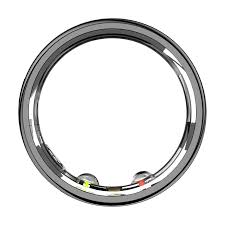
Wearable technology offers a useful example of why careful review analysis matters. Smart rings combine compact designs with features that may include activity tracking, sleep monitoring, and selected health-related measurements.
Because these devices are small and designed for continuous wear, buyers should evaluate more than appearance and advertised functions.
Check Tracking Capabilities and Limitations
A smart ring review should explain which measurements the device supports and how those measurements are presented through its companion application.
Depending on the model, features may include heart-rate monitoring, sleep tracking, activity records, or other wellness indicators. Buyers should verify that the exact version offers the functions they need.
It is also important to understand that consumer wearable measurements are estimates and may vary according to fit, movement, sensor design, and individual circumstances. They should not automatically be treated as medical measurements or diagnoses.
Research the Colmi R10 Smart Ring UK Market
Consumers researching the Colmi R10 smart ring UK market should compare detailed product information with independent evaluations and feedback from people who have used the device.
Start by confirming the exact model name, supported features, compatible smartphones, charging method, and application requirements. Product names and specifications can vary across listings, so information about another model should not be assumed to apply to the R10.
Pay particular attention to whether the seller clearly explains the available features, return conditions, warranty coverage, and shipping arrangements for UK customers.
A reliable review should help answer practical questions about everyday usability instead of repeating promotional descriptions.
Compare Affordable Wearable Options
People searching for a budget smart ring with heart rate tracking should consider both the purchase price and the overall ownership experience.
An affordable device may provide useful tracking functions, but its value also depends on sensor performance, comfort, battery endurance, application quality, compatibility, and customer support.
Check whether the advertised features are available without a recurring subscription. Also determine whether the device requires a specific mobile operating system or account to access its main functions.
The best choice is not necessarily the cheapest model. It is the product that offers suitable features, clear limitations, and dependable support at a price that fits your budget.
Compare Specifications Carefully
Specifications allow buyers to identify important differences between competing products. However, they should be interpreted alongside practical testing and user feedback.
Focus on Features That Matter to You
Before comparing devices, create a short list of essential requirements.
For a smartphone, these might include battery life, camera quality, storage, software support, and screen size. For a laptop, performance, portability, memory, and keyboard quality may be more important.
For smart rings, consider sizing, supported tracking functions, charging arrangements, application compatibility, and water-resistance claims.
Prioritizing these factors prevents attractive but unnecessary features from distracting you from your actual requirements.
Verify Compatibility and Software Support
Compatibility problems can make even a well-designed gadget frustrating to use.
Check whether the device works with your phone, computer, operating system, or other equipment. For connected wearables, confirm that the companion application remains available and supports your device.
Software updates are another important consideration. Updates may improve functionality, address security issues, and fix bugs, so buyers should investigate the manufacturer’s update policies whenever that information is available.
Look Beyond Impressive Numbers
Manufacturers sometimes emphasize specifications that sound impressive but have limited practical value for particular users.
A high processing speed, large battery capacity, or extensive list of sensors does not automatically guarantee a better experience.
Look for independent testing that explains what those specifications mean in daily use. Practical results are often more useful than numbers presented without context.
Use Video Reviews and Technology Communities
Written reviews are not the only useful sources of information. Videos and online communities can help buyers understand how devices look, feel, and behave outside promotional photographs.
Watch Reviews That Demonstrate the Product
Video reviews can show the physical design, menus, setup process, and everyday operation of a gadget.
Look for demonstrations that include actual device footage rather than relying entirely on product images and promotional clips.
A useful video should explain both advantages and limitations. It should also identify the product model and clarify whether the reviewer tested the device personally.
Explore Technology Forums
Technology forums and discussion communities allow owners to share troubleshooting advice and longer-term experiences.
Search for discussions about battery degradation, software updates, connectivity, durability, and customer support. These subjects may receive less attention in short reviews but can strongly influence satisfaction over time.
When reading forum discussions, remember that people often post when they experience problems. Their experiences are valuable, but they may not represent every owner’s experience.
Compare different viewpoints before drawing conclusions.
Recognize Warning Signs of Unreliable Reviews
Learning to identify weak or misleading content is just as important as finding reputable sources.
Watch for Unsupported Superlatives
Statements such as “the greatest gadget ever made” or “perfect in every way” provide little practical information without evidence.
Reliable reviews explain why a product performs well and identify situations in which another option might be more suitable.
Avoid Reviews That Ignore Disadvantages
Every device involves trade-offs. An inexpensive gadget might have fewer advanced functions, while a premium model might offer excellent performance at a higher price.
If a review describes a product as flawless but never discusses limitations, its conclusions may be incomplete.
Balanced coverage should acknowledge drawbacks and explain how much they matter to different users.
Check Publication Dates
Technology changes quickly. A review written several years ago may describe outdated software, discontinued products, or prices that no longer apply.
Always check the publication date and look for updates. For products that receive frequent software changes, newer evaluations may be especially useful.
When reviewing older devices, confirm whether the information applies to the specific hardware and software version currently being sold.
Evaluate Pricing, Warranty, and After-Sales Support
A reliable purchasing decision includes more than performance. Price, warranty terms, shipping arrangements, and customer service can influence the total value of a gadget.
Compare Prices Across Trusted Sellers
Check several established retailers before deciding where to buy. Compare the exact model, included accessories, delivery costs, and any additional charges.
An unusually low price may be attractive, but it should encourage you to verify the seller’s identity, product authenticity, and return policy.
For UK purchases, confirm whether the price includes applicable taxes and whether the item is dispatched from within the country or shipped internationally.
Review Warranty and Return Conditions
Before purchasing, determine how long the warranty lasts, what it covers, and how repairs or replacements are handled.
Read the return policy carefully, particularly for wearable devices that may require accurate sizing. Some products have specific conditions for returns once opened or used.
Reliable customer support can make a substantial difference if the device develops a problem after purchase.
Consider Long-Term Ownership Costs
Certain gadgets require replacement accessories, paid applications, subscriptions, or specialized chargers.
These costs may not be obvious in the initial purchase price. A slightly more expensive device could provide better overall value if it includes essential features without recurring charges.
Look at the total expected cost rather than focusing exclusively on the advertised price.
Create a Simple Checklist Before Buying
A consistent review process makes technology shopping easier and reduces the likelihood of overlooking important details.
Use the following checklist when researching a new gadget:
- Confirm the exact product name and model.
- Read at least two independent reviews.
- Check detailed customer feedback across different platforms.
- Compare essential specifications and real-world testing results.
- Identify recurring complaints and known limitations.
- Verify compatibility with your existing devices.
- Review warranty coverage, returns, and customer support.
- Compare prices from trustworthy sellers.
- Check whether subscriptions or accessories create additional costs.
- Make sure the product meets your actual needs and budget.
This approach works for smartphones, computers, headphones, smart rings, and other consumer electronics.
It also helps separate genuinely useful information from promotional claims that may not reflect everyday performance.
Make Better Decisions With a Balanced Review Strategy
Finding reliable gadget and tech reviews requires patience, comparison, and a willingness to look beyond attractive product descriptions.
Established technology publications can provide structured testing, customer reviews reveal everyday experiences, and community discussions may highlight problems that emerge over time. Product specifications, warranty information, and seller policies provide additional context.
No single source is guaranteed to tell the whole story. The strongest purchasing decisions come from combining multiple sources and examining whether their conclusions are supported by specific evidence.
For buyers researching wearable devices, including options in the Colmi R10 smart ring UK market, this process can clarify important considerations such as tracking functions, comfort, compatibility, pricing, and after-sales support. Anyone searching for a budget smart ring with heart rate tracking should also verify the exact capabilities of the chosen model instead of assuming that every product offers identical functions.
Ultimately, reliable reviews are tools for informed decision-making rather than instructions to buy a particular product. By asking the right questions, checking independent evidence, and comparing practical benefits with potential drawbacks, consumers can choose technology that fits their expectations, daily routines, and budgets.
Conclusion
The growing number of available gadgets makes trustworthy reviews more valuable than ever. However, readers must learn to distinguish detailed evaluations from advertising, unsupported opinions, and outdated information.
Start with reputable publications, compare real customer experiences, verify technical claims, and investigate long-term ownership considerations. Pay attention to recurring complaints, compatibility requirements, warranty terms, and the features you genuinely need.
Whether you are purchasing your first wearable device or upgrading your existing technology, a thoughtful research process can help you avoid unnecessary expenses and make a more confident choice. The goal is not simply to find the highest-rated gadget, but to identify a reliable product that offers the right combination of usefulness, quality, and value.
