Gadget and Tech Reviews: Exploring Features, Performance, and Value
Technology continues to transform the way people communicate, work, exercise, and manage their everyday lives. From smartphones and wireless earbuds to smartwatches and smart rings, modern gadgets offer convenient solutions that help people stay connected and make informed decisions. However, with so many products available, choosing the right device can become challenging. This is where gadget and tech reviews play an important role by helping consumers understand product features, performance, usability, and overall value before making a purchase.
A good technology review goes beyond describing a product’s appearance or listing its specifications. It evaluates how well a device performs in real-world situations, identifies its strengths and limitations, and explains whether its price is justified. Whether someone is searching for a new smartphone, a wearable fitness tracker, or a compact health-monitoring accessory, reliable reviews can make the buying process easier.
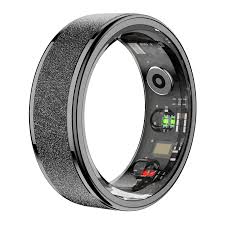
As wearable technology becomes increasingly popular, products such as the Colmi R10 smart ring UK are attracting interest from consumers who want convenient technology in a compact design. Understanding the features and practical value of these devices demonstrates why thoughtful gadget reviews are essential for modern buyers.
Why Gadget and Tech Reviews Matter
Technology products often include numerous specifications, technical terms, and advertised benefits. While manufacturers provide information about their products, consumers also need practical explanations of how those features work in everyday life.
Gadget reviews help bridge the gap between technical specifications and real-world experiences. They explain what a device offers, how easy it is to use, and whether it meets the expectations of its intended audience.
Helping Consumers Make Informed Decisions
Purchasing technology without proper research can lead to disappointment. A smartphone may offer impressive camera specifications but produce inconsistent photographs in low light. Wireless earbuds might advertise long battery life but feel uncomfortable after extended use.
Reviews help buyers identify these differences before spending money. By examining product performance, durability, compatibility, and convenience, consumers can compare available options and select devices that suit their needs.
Understanding Product Advantages and Limitations
Every gadget has strengths and weaknesses. An affordable wearable may provide useful activity tracking but lack some advanced features found in premium alternatives. Similarly, an expensive device may offer excellent performance without delivering enough additional benefits to justify its higher price.
Balanced reviews discuss both sides rather than focusing entirely on promotional claims. This approach allows readers to develop realistic expectations and understand which compromises might be acceptable.
Exploring the Most Important Features of Modern Gadgets
Product features are often the first things buyers examine when researching new technology. However, the number of features does not automatically determine a gadget’s quality. Their usefulness depends on how effectively they solve everyday problems.
Design, Comfort, and Build Quality
A gadget’s design influences its appearance, comfort, portability, and durability. Smartphones should feel comfortable to hold, headphones should fit securely, and wearable devices should be practical enough for regular use.
For wearable technology, comfort is especially important because users may wear devices throughout the day or overnight. Lightweight construction, suitable materials, and a practical shape can improve the overall experience.
Smart rings demonstrate this design philosophy by placing electronic components inside a compact ring-shaped accessory. Unlike larger wearables, they can offer a relatively discreet alternative for people who prefer minimal accessories.
When reviewing a gadget, it is useful to examine its dimensions, weight, material quality, controls, and resistance to everyday wear. Buyers should also check the manufacturer’s guidance regarding water exposure, cleaning, and maintenance.
Connectivity and Device Compatibility
Modern gadgets frequently depend on smartphones, applications, wireless connections, or cloud services. Compatibility can therefore have a major impact on the user experience.
Before purchasing a wearable, consumers should check whether its companion application supports their phone’s operating system and whether the required features work in their region.
Reviewers should also explain the setup process, connection stability, synchronization speed, and ease of accessing stored information. A device with impressive hardware may become frustrating if its application is confusing or unreliable.
Battery Life and Charging Convenience
Battery performance is another essential consideration. A device that requires frequent charging may be less convenient than an alternative that lasts longer between charging sessions.
Reviews should distinguish between advertised battery life and actual performance. Battery consumption can change depending on settings, sensor activity, connectivity, usage patterns, and environmental conditions.
For wearable devices, charging methods and charging time also deserve attention. Buyers benefit from understanding how often a product may need charging and whether its charging accessories are easy to use.
Evaluating Gadget Performance in Real-World Conditions
Specifications provide a useful starting point, but practical performance determines whether a product delivers a satisfying experience. Reliable reviews consider how a gadget behaves during ordinary activities rather than relying exclusively on manufacturer claims.
Speed, Reliability, and Responsiveness
Performance means different things for different products. For a smartphone, it may involve application loading times, multitasking, gaming, and camera processing. For wireless headphones, it may include connection stability, audio clarity, and synchronization.
Wearable devices require a different evaluation. Reviewers may examine how quickly information synchronizes with the companion application, whether recorded measurements remain consistent, and how reliably the device operates during daily routines.
A well-designed product should perform its main functions consistently without requiring unnecessary troubleshooting.
Accuracy and Reliability of Health-Tracking Features
Health-oriented gadgets have introduced convenient ways to monitor selected personal measurements. Depending on the product, these devices may record activity, estimate sleep patterns, or measure heart rate.
However, not every wearable provides the same capabilities, and sensor performance can vary according to fit, movement, skin contact, and individual circumstances.
When assessing a smart ring, reviewers should identify exactly which measurements it supports and whether its readings have been independently validated. Estimates provided by consumer wearables should not automatically be treated as medical measurements or used as a substitute for professional assessment.
For consumers interested in everyday monitoring, consistency and understandable reporting may be more useful than a long list of features that are difficult to interpret.
Smart Rings: A Growing Category in Wearable Technology
Smart rings represent an interesting development in the wearable technology market. These compact devices aim to provide selected digital functions without the size or appearance of a traditional smartwatch.
Their appeal comes from their discreet design, portability, and potential to support daily activity awareness. Depending on the model, smart rings may offer features such as heart-rate tracking, sleep insights, activity monitoring, and application-based reporting.
Understanding the Colmi R10 Smart Ring UK
Consumers researching the Colmi R10 smart ring UK may be interested in finding a wearable that combines a compact form with accessible tracking features.
When evaluating this product, buyers should verify its current specifications, supported functions, sizing options, application compatibility, charging arrangements, and availability from a reputable UK retailer. Product specifications and regional availability should be confirmed before purchasing because listings and included features can vary.
The most useful review considers how the ring fits into everyday life. For example, is it comfortable during ordinary activities? Is the companion application straightforward? Can users understand the information presented? Does the battery performance suit their routine?
These questions provide more practical insight than simply repeating a manufacturer’s feature list.
Heart-Rate Tracking and Everyday Convenience
Heart-rate tracking is one of the features that attracts consumers to wearable technology. It can help users observe general patterns and understand how their measurements change during different activities.
A budget smart ring with heart rate tracking may appeal to someone who wants a compact alternative to a larger wearable. However, consumers should confirm that the particular model supports the required tracking function and understand how its measurements are collected.
It is also important to distinguish between continuous tracking, occasional readings, and measurements that require manual activation. These options can provide different experiences and may affect battery consumption.
Heart-rate readings from consumer devices can be influenced by movement, fit, sensor placement, and other factors. They are best understood as general informational measurements unless the device has appropriate medical validation for a specific purpose.
Sleep Monitoring and Activity Insights
Some smart rings are designed to record sleep-related information and daily activity. Depending on the model, the accompanying application may present estimates of sleep duration, activity levels, or other trends.
Such information can help users reflect on routines and identify patterns over time. However, wearable sleep estimates are not equivalent to a comprehensive clinical sleep assessment.
Reviews should explain which measurements are available, how clearly they are presented, and whether the application makes historical information easy to understand.
The practical value of these features depends on how consistently a user wears the device and whether the information helps them make useful everyday decisions.
Price and Value: Is an Affordable Gadget Worth Buying?
Price is an important factor in technology purchasing decisions, but the cheapest product is not always the best value. Similarly, a higher price does not guarantee better performance or greater satisfaction.
Value depends on the relationship between cost, reliability, useful features, durability, and the user’s individual requirements.
Comparing Budget and Premium Technology
Budget gadgets often focus on essential functions while reducing costs through simpler designs, fewer advanced features, or less elaborate accessories.
Premium devices may offer additional customization, stronger ecosystem integration, more extensive software support, or enhanced construction. However, these benefits are worthwhile only when they matter to the buyer.
Someone who wants basic activity awareness may not need every advanced function available in an expensive wearable. Another person who relies on detailed integrations may find the additional investment worthwhile.
The best review compares products according to their intended audiences rather than assuming that premium devices always outperform affordable alternatives.
Calculating the Total Cost of Ownership
The purchase price is only one part of a gadget’s overall cost. Consumers should also consider replacement accessories, subscriptions, repair options, warranty coverage, and software support.
For example, a wearable may appear inexpensive initially but provide fewer useful features without a paid service. Another device may cost more upfront while including the functions that a buyer needs.
Before purchasing a smart ring, check whether the main tracking features require a subscription, whether replacement charging accessories are available, and what warranty protection applies in the UK.
These details help consumers estimate long-term value rather than focusing exclusively on the advertised price.
How to Compare Gadgets Before Purchasing
Comparing several products becomes easier when buyers use a consistent evaluation process. Instead of concentrating on marketing language, they should identify the requirements that matter most and assess each product against those priorities.
Create a List of Essential Features
Start by separating essential requirements from optional extras. A smartphone buyer may prioritize camera performance, storage, and battery life. Someone shopping for headphones may focus on comfort, sound quality, and noise cancellation.
For smart rings, useful comparison points may include:
- Supported health and activity measurements.
- Available ring sizes and wearing comfort.
- Battery life and charging convenience.
- Smartphone and application compatibility.
- Water-resistance specifications.
- Data privacy and account requirements.
- Warranty, returns, and customer support.
- Total purchase and ownership costs.
This checklist makes it easier to identify which product offers the most relevant features.
Read Multiple Independent Reviews
A single review rarely provides a complete picture. Different reviewers may use products under different conditions, and individual experiences can vary.
Reading several independent assessments helps reveal recurring strengths and weaknesses. If multiple reviewers report similar connection problems or uncomfortable sizing, those observations deserve attention.
Buyers should also distinguish between detailed testing and short promotional descriptions. Reviews that explain their testing methods and disclose limitations are generally more useful than content that makes broad claims without supporting evidence.
Check Recent Customer Feedback
Customer reviews can provide insight into long-term ownership, customer service, durability, and common setup issues.
However, feedback should be evaluated carefully. Extremely positive or negative comments may reflect unusual circumstances, and some online reviews may not represent genuine customer experiences.
Look for specific, consistent observations rather than relying on star ratings alone. Recent feedback can be particularly valuable when software updates or product revisions may have changed the user experience.
The Importance of Software, Privacy, and Security
Modern gadgets increasingly collect and process personal information. As a result, software quality and privacy deserve the same attention as hardware performance.
Understanding Data Collection
Wearable devices may collect information about activity, sleep, heart rate, and other personal measurements. The exact information depends on the device and its associated application.
Before purchasing, review the privacy policy to understand what information is collected, how it is stored, and whether it may be shared with third parties.
Consumers should also check account requirements, available privacy controls, and options for deleting stored information. Strong passwords and appropriate phone security can provide additional protection.
Software Updates and Long-Term Support
Software updates may improve performance, resolve problems, and address security vulnerabilities. However, not every manufacturer provides the same level of long-term support.
A useful review should discuss application stability, update availability, and whether the manufacturer communicates clearly about ongoing support.
For connected gadgets, long-term software compatibility can influence value just as much as physical durability. A device that remains functional and supported for longer may represent a better investment than an alternative that quickly becomes difficult to use.
Common Mistakes to Avoid When Buying Technology
Even experienced consumers can make purchasing decisions based on incomplete information. Recognizing common mistakes can help buyers avoid unnecessary spending.
One frequent mistake is choosing a gadget based entirely on its specifications. A long feature list does not guarantee reliable performance, intuitive software, or comfortable everyday use.
Another mistake is overlooking compatibility. Before buying a wearable, confirm that the required application works with the intended smartphone and that important functions are available in the relevant region.
Consumers should also avoid assuming that every advertised health feature provides clinically accurate results. Product descriptions must be examined carefully, especially when devices make claims related to personal health.
Ignoring return policies and warranty conditions can create additional difficulties. Checking these details before ordering is particularly important when buying products that require precise sizing, such as smart rings.
Finally, buyers should consider whether they genuinely need the advertised features. Selecting a device that supports everyday requirements is often more sensible than paying for functions that will rarely be used.
The Future of Gadget and Tech Reviews
As technology advances, gadget reviews will continue to evolve. Artificial intelligence, connected devices, wearable sensors, and smart-home systems are creating new categories that require thoughtful evaluation.
Future reviews may place greater emphasis on privacy, software longevity, repairability, interoperability, and independently tested performance. Consumers increasingly need to understand not only what a device can do today but also how useful it may remain over time.
Wearable technology will likely continue attracting attention as manufacturers explore smaller designs and additional monitoring capabilities. Nevertheless, useful reviews will need to distinguish practical improvements from marketing claims.
Clear testing methods, transparent comparisons, and honest explanations of limitations will remain essential. Reviewers who prioritize these principles can help readers make decisions based on evidence rather than excitement alone.
Conclusion
Gadget and tech reviews are valuable resources for anyone navigating the constantly changing technology market. By examining design, features, performance, software, privacy, and long-term cost, consumers can better understand which products offer meaningful benefits.
Wearable devices, including smart rings, demonstrate why detailed evaluation matters. People researching the Colmi R10 smart ring UK should consider its verified specifications, comfort, tracking capabilities, application compatibility, and overall cost before making a decision. Likewise, anyone considering a budget smart ring with heart rate tracking should check whether its features match their expectations and understand the limitations of consumer health measurements.
Ultimately, the best gadget is not necessarily the most expensive or the one with the longest feature list. It is the device that performs its intended tasks reliably, fits comfortably into everyday life, respects the user’s privacy, and offers worthwhile value for its price. By combining independent reviews, careful comparisons, and realistic expectations, buyers can make more confident technology purchases and enjoy the benefits of innovation without unnecessary expense.
