Ginger Root Powder: Uses, Benefits, and How to Choose the Right Product
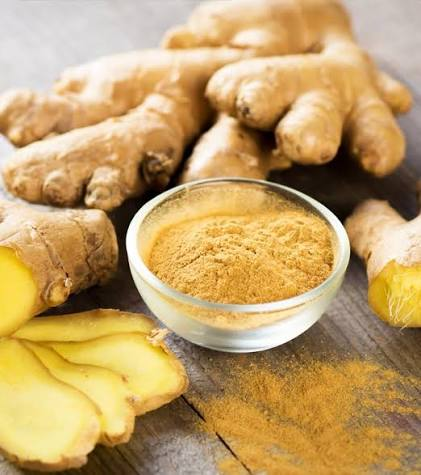
Ginger root powder is a versatile natural ingredient made by drying and finely grinding ginger roots. Known for its warm aroma, spicy flavor, and long history of culinary use, ginger has become a popular ingredient in kitchens, beverage production, food manufacturing, and Ginger Root Powder wellness-focused products. Its convenient powdered form makes it easy to store, measure, and incorporate into a wide range of recipes.
From traditional cooking to modern food applications, ginger root powder offers a practical way to enjoy the distinctive characteristics of ginger without preparing fresh roots. Understanding its qualities, uses, storage requirements, and purchasing considerations can help consumers and businesses select a product that suits their needs.
What Is Ginger Root Powder?
Ginger root powder is produced from mature ginger rhizomes. After harvesting, the roots are generally cleaned, dried, and ground into a fine powder. Processing methods can vary depending on the intended application, but quality production focuses on preserving the natural aroma, flavor, and characteristic properties of the ginger.
The resulting powder typically has a light tan to golden-brown appearance and a distinctive spicy fragrance. Because much of the moisture is removed during drying, the powder has a considerably longer shelf life than fresh ginger when properly packaged and stored.
Its concentrated flavor also means that relatively small amounts can provide noticeable ginger character in food and beverages.
A Convenient Alternative to Fresh Ginger
Fresh ginger is widely appreciated, but it requires peeling, cutting, grating, or crushing before use. Ginger root powder eliminates many of these preparation steps. It can be measured directly and added to recipes, making it particularly convenient for busy households and commercial food producers.
Powdered ginger is also easier to transport and store. Unlike fresh ginger, it does not require refrigeration immediately after purchase and generally takes up less storage space. This convenience makes ginger root powder useful for both everyday cooking and large-scale food preparation.
Culinary Uses of Ginger Root Powder
One of the most common applications of ginger root powder is cooking. Its warm, slightly pungent flavor works well in both sweet and savory recipes.
It can be used in:
- Baked goods and desserts
- Cookies and cakes
- Curries and sauces
- Soups and stews
- Marinades and spice blends
- Smoothies and beverages
- Tea and flavored drinks
- Breakfast recipes
- Homemade spice mixes
Ginger powder can add depth to recipes without introducing pieces of fresh ginger. It is especially useful when a smooth texture is important.
Ginger in Beverages
Ginger root powder is also popular in beverage preparation. It can be incorporated into tea, warm drinks, smoothies, and powdered beverage mixes. Its distinctive flavor pairs well with ingredients such as lemon, honey, cinnamon, and other spices.
For commercial manufacturers, powdered ginger can provide a consistent ingredient that is easier to measure during production. Proper formulation is important because the intensity of ginger flavor depends on factors such as concentration, processing, and product quality.
Potential Nutritional and Wellness Interest
Ginger has attracted considerable interest because it naturally contains bioactive compounds, including gingerols and related compounds. These substances contribute to ginger’s characteristic taste and aroma.
People commonly include ginger as part of a balanced diet and traditional food practices. However, ginger root powder should be viewed primarily as a food ingredient rather than a replacement for medical treatment. Anyone considering concentrated ginger products for a specific health condition should consult an appropriate healthcare professional.
Using ginger in ordinary meals and beverages can be a simple way to add variety and flavor to a balanced eating pattern.
What Makes Quality Ginger Root Powder?
Not every ginger powder has exactly the same characteristics. Product quality can vary according to the ginger variety, growing conditions, harvesting practices, drying process, grinding method, and storage conditions.
When choosing ginger root powder, buyers may consider several factors.
Aroma and Flavor
High-quality ginger powder should have a recognizable ginger aroma and a characteristic warm, spicy flavor. A weak or unusual smell may indicate aging, poor storage, or inconsistent quality.
Color and Appearance
The powder should generally have a natural, relatively consistent appearance. Excessive discoloration, unusual particles, or signs of contamination should be treated as reasons to investigate the product further.
Processing Standards
Reliable suppliers should follow appropriate food-safety and manufacturing procedures. Businesses purchasing ginger root powder in bulk may also request information about processing, testing, traceability, and quality-control practices.
Packaging
Packaging plays an important role in maintaining freshness. Ginger powder should be protected from moisture, heat, light, and contamination. Sealed, food-grade packaging can help preserve its flavor and quality during storage and transportation.
How to Store Ginger Root Powder
Proper storage can help maintain the quality of ginger root powder for longer. The powder should be kept in a cool, dry location away from direct sunlight and excessive humidity.
An airtight container can help prevent moisture from entering the product. It is also useful to keep the container closed when the powder is not being used. Moisture can cause powdered ingredients to form lumps and may negatively affect their overall quality.
Always follow the storage instructions provided on the product packaging, particularly for commercially packaged ingredients.
Ginger Root Powder for Food Manufacturers
Ginger root powder can be a practical ingredient for food manufacturers because it is relatively easy to handle and incorporate into standardized recipes. Its dry format allows manufacturers to measure specific quantities during production.
It can be included in bakery products, spice blends, instant beverage formulations, sauces, prepared foods, and other products where ginger flavor is desired. Bulk purchasing may also help manufacturers maintain a consistent supply for ongoing production.
For commercial applications, buyers should evaluate supplier reliability, batch consistency, packaging options, documentation, and food-safety standards rather than focusing only on price.
Choosing a Reliable Supplier
Selecting the right supplier is an important part of purchasing ginger root powder. Buyers should look for suppliers that can provide clear product information and consistent quality.
Important questions may include where the ginger is sourced, how it is processed, what packaging options are available, and whether quality documentation can be provided. For businesses, consistency between batches can be particularly important because changes in flavor or particle size may affect finished products.
A supplier with transparent sourcing and quality-control practices can make long-term purchasing easier and more predictable.
Conclusion
Ginger root powder is a convenient and versatile form of ginger that can be used across cooking, baking, beverages, spice blends, and commercial food production. Its concentrated flavor, easy storage, and simple preparation make it a practical alternative to fresh ginger for many applications.
Choosing a quality product involves paying attention to aroma, appearance, processing standards, packaging, and supplier reliability. When stored properly and used appropriately, ginger root powder can be a valuable ingredient for both home kitchens and professional food applications.
As interest in natural ingredients and convenient food products continues to grow, ginger root powder remains a useful option for adding distinctive flavor and character to a wide range of recipes and formulations.
