The Environmental Effects of e-cigarettes Versus Traditional Cigarettes Explained
Introduction
The growing popularity of e-cigarettes has sparked ongoing debates about their safety, health implications, and environmental impact. While much attention has been given to how these devices affect human health, their influence on the environment is equally important. Traditional cigarettes have long been known to cause significant environmental harm, from deforestation to pollution. However, e-cigarettes introduce a new set of environmental concerns tied to electronic waste, chemical disposal, and manufacturing processes. Understanding the environmental impact of e-cigarettes compared to cigarettes helps consumers make more informed decisions while also raising awareness about sustainability ร้านพอตใกล้ฉัน.
The Environmental Cost of Traditional Cigarettes
Traditional cigarettes have a well-documented environmental footprint. One of the most significant issues is cigarette butt pollution. Cigarette filters are made from cellulose acetate, a type of plastic that can take years to decompose. Billions of cigarette butts are discarded every year, making them one of the most common forms of litter worldwide. These filters release toxic chemicals into soil and water, harming wildlife and ecosystems.
Cigarette production also contributes to deforestation. Large areas of land are cleared to grow tobacco, leading to habitat destruction and loss of biodiversity. In addition, the curing process for tobacco requires significant amounts of wood, further increasing deforestation rates. The manufacturing process involves the use of pesticides and fertilizers, which contaminate soil and water sources.
Air pollution is another consequence of cigarette use. When cigarettes are burned, they release harmful chemicals such as carbon monoxide, ammonia, and formaldehyde into the air. These pollutants not only affect smokers but also contribute to overall air quality degradation.
The Rise of e-cigarettes and Their Environmental Footprint
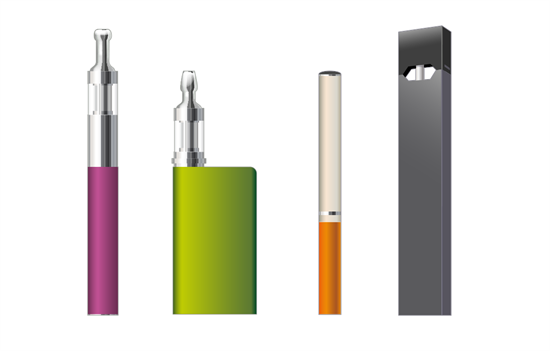
E-cigarettes are often marketed as a cleaner alternative to traditional smoking. While they do not produce smoke or ash, they still have an environmental impact that should not be overlooked. One of the primary concerns is electronic waste. E-cigarettes consist of batteries, metal components, and plastic cartridges, all of which contribute to waste when disposed of improperly.
Disposable e-cigarettes, in particular, have become a major issue. These devices are designed for short-term use and are often discarded after a single cycle. The increase in demand for convenience has led to a surge in electronic waste, as many users do not recycle their devices. This problem is especially relevant in markets where ร้านพอตใกล้ฉัน services promote easy access to disposable products, encouraging frequent purchases and disposal.
Battery waste is another concern. Lithium-ion batteries used in e-cigarettes can be hazardous if not disposed of correctly. They contain toxic materials that can leak into the environment, posing risks to soil and water systems. Improper disposal can also lead to fire hazards in landfills.
Chemical Waste and Pollution
Both cigarettes and e-cigarettes contribute to chemical pollution, but in different ways. Cigarette butts release nicotine, heavy metals, and other toxic substances into the environment. These chemicals can harm aquatic life when washed into waterways.
E-cigarettes, on the other hand, involve e-liquids that contain nicotine, flavorings, and other chemicals. When cartridges are discarded, residual liquid can leak into the environment. While the volume may be smaller compared to cigarette waste, the concentration of chemicals can still be harmful.
Manufacturing processes for e-cigarettes also involve chemical production. The creation of e-liquids requires industrial processes that contribute to carbon emissions and resource consumption. Although these impacts may be less visible than cigarette litter, they are still significant.
Carbon Footprint Comparison
The carbon footprint of cigarettes is substantial due to the entire lifecycle of the product. From tobacco farming and curing to manufacturing and transportation, cigarettes require extensive resources and energy. The burning of cigarettes also releases greenhouse gases directly into the atmosphere.
E-cigarettes have a different carbon profile. While they do not produce emissions during use, their production involves energy-intensive processes. The extraction of materials for batteries, manufacturing of electronic components, and global distribution all contribute to carbon emissions. Additionally, the short lifespan of many devices means that production demand remains high, increasing the overall carbon footprint.
Waste Management Challenges
One of the biggest environmental challenges associated with both cigarettes and e-cigarettes is waste management. Cigarette butts are small but widespread, making them difficult to collect and recycle. Many end up in oceans and waterways, contributing to marine pollution.
E-cigarette waste, although less visible, is more complex. Devices contain multiple materials, including plastic, metal, and electronic components, which require specialized recycling processes. Unfortunately, recycling systems for e-cigarettes are not widely available, leading to improper disposal.
The convenience culture surrounding ร้านพอตใกล้ฉัน services often encourages the use of disposable products, which exacerbates the waste problem. Without proper disposal infrastructure, the environmental benefits of switching from cigarettes to e-cigarettes may be reduced.
Resource Consumption and Sustainability
Traditional cigarettes rely heavily on natural resources, particularly land and water. Tobacco farming consumes large amounts of water and often leads to soil degradation. The use of pesticides further harms ecosystems and reduces long-term agricultural sustainability.
E-cigarettes, while not dependent on agricultural production in the same way, rely on finite resources such as lithium and rare metals for batteries. The extraction of these materials has its own environmental consequences, including habitat destruction and pollution.
Sustainability efforts in the e-cigarette industry are still developing. Some manufacturers are exploring recyclable components and refillable devices to reduce waste. However, widespread adoption of these practices remains limited.
Consumer Behavior and Environmental Impact
Consumer choices play a significant role in determining the environmental impact of both cigarettes and e-cigarettes. Smokers who improperly dispose of cigarette butts contribute directly to pollution. Similarly, e-cigarette users who discard devices without recycling add to electronic waste.
The popularity of ร้านพอตใกล้ฉัน services highlights the importance of accessibility and convenience in consumer behavior. While these services make it easier for users to obtain products, they can also encourage higher consumption rates and increased waste generation.
Educating consumers about proper disposal methods and promoting sustainable alternatives can help reduce environmental harm. For example, choosing refillable e-cigarette devices instead of disposable ones can significantly lower waste.
Conclusion
Both traditional cigarettes and e-cigarettes have notable environmental impacts, though they differ in nature. Cigarettes contribute heavily to litter, deforestation, and air pollution, while e-cigarettes introduce challenges related to electronic waste, battery disposal, and chemical leakage. While e-cigarettes may reduce certain types of pollution, they are not entirely environmentally friendly.
The key to minimizing environmental harm lies in responsible production, improved waste management systems, and informed consumer choices. As awareness grows, industries and consumers alike must work toward more sustainable practices. Whether through reducing consumption, recycling properly, or supporting eco-friendly innovations, every step contributes to a healthier planet.
