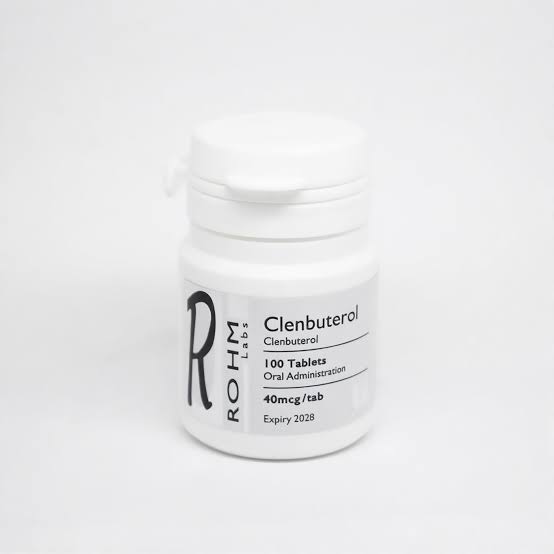
What to Know Before Considering a Clenbuterol Tablet
A clenbuterol tablet is a subject that often appears in conversations about weight loss, athletic performance, and body composition. However, understanding what this substance is, why people seek it, and what risks may be involved is essential before considering its use. Clenbuterol is a powerful compound with effects on the cardiovascular and nervous systems, and it is not a routine weight-loss medication approved for general use in many countries. Because of these concerns, anyone researching it should approach the subject with caution and rely on qualified medical advice rather than online claims or informal recommendations.
Understanding What Clenbuterol Is
Clenbuterol is a compound with bronchodilator and stimulant-like properties. It has historically been used in some countries for respiratory conditions, particularly in veterinary medicine, but its regulatory status varies significantly by country. It is not approved by the U.S. Food and Drug Administration for human use in the United States.
The compound has gained attention outside medical settings because it can increase stimulation of beta-2 adrenergic receptors. This activity may influence heart rate, metabolism, and energy expenditure. These effects have contributed to its reputation in bodybuilding and weight-loss communities.
The important point is that a substance being discussed widely online does not mean it is safe, appropriate, or legally available for a particular purpose. Marketing language can also make powerful stimulants appear less risky than they actually are.
Why People Consider a Clenbuterol Tablet
People may encounter discussions of a clenbuterol tablet while searching for ways to reduce body weight or improve athletic performance. Some online communities describe clenbuterol as a fat-burning compound because of its stimulant effects and potential influence on metabolic activity.
This reputation can make it attractive to individuals looking for rapid results. Unfortunately, weight reduction achieved through extreme stimulant use can come with significant health concerns. The desire for faster fat loss can sometimes overshadow the importance of cardiovascular safety, sustainable nutrition, adequate sleep, and properly structured exercise.
It is also important to distinguish between anecdotal reports and reliable medical evidence. Personal testimonials cannot establish that a substance is safe for everyone, particularly when people may have undisclosed medical conditions or combine multiple stimulants.
Potential Cardiovascular Concerns
One of the most important considerations is the effect clenbuterol can have on the cardiovascular system. Stimulant-like activity may cause an elevated heart rate, palpitations, increased blood pressure, or an uncomfortable sensation of the heart beating strongly or irregularly.
More serious cardiovascular complications have also been reported in association with clenbuterol exposure. These may include abnormal heart rhythms and other potentially dangerous effects. The risk can become particularly concerning when clenbuterol is combined with caffeine, pre-workout products, decongestants, or other stimulants.
Someone with an existing heart condition, high blood pressure, or a history of abnormal heart rhythms may face additional concerns. Even people without known cardiovascular problems should not assume that a stimulant is harmless simply because they are young or physically active.
Other Possible Side Effects
Cardiovascular effects are not the only concern. A clenbuterol tablet may also produce symptoms associated with excessive stimulation of the nervous system.
Possible effects can include trembling, restlessness, anxiety, headaches, sweating, insomnia, muscle cramps, and nausea. Some people may find that stimulant-related sleep disruption affects their mood, concentration, and exercise recovery.
Electrolyte disturbances can also be important. Clenbuterol may influence electrolyte balance, and abnormal levels of minerals such as potassium can contribute to cardiovascular problems. This is one reason self-directed use can be unpredictable.
The severity of side effects can vary according to individual factors, product strength, other substances being used, and underlying health conditions.
Product Quality Is Another Concern
Another major issue is the reliability of products sold outside regulated pharmaceutical channels. Online products advertised as clenbuterol may have uncertain ingredients, inaccurate labeling, or inconsistent concentrations.
A tablet containing more or less active ingredient than expected can create additional risks. Contamination or substitution with another stimulant may also be possible with products obtained from unreliable sources.
For this reason, consumers should be particularly cautious about websites or sellers promising guaranteed rapid fat loss, unusually powerful effects, or products that bypass normal medical oversight. Attractive packaging and confident marketing do not guarantee quality or safety.
Clenbuterol and Weight-Loss Expectations
Rapid weight loss is often presented as one of the major attractions of clenbuterol, but sustainable body-composition changes generally require a broader approach. Nutrition, physical activity, sleep, stress management, and overall health all influence weight management.
A stimulant should not be viewed as a replacement for these fundamentals. Even when someone experiences an initial change in body weight, that does not necessarily mean the result is healthy, sustainable, or appropriate for long-term use.
People considering weight-loss medication should instead discuss evidence-based options with a qualified healthcare professional. Depending on an individual’s health profile, there may be approved treatments and structured lifestyle approaches with better-established safety information.
Interactions and Individual Risk Factors
Before considering any stimulant compound, it is important to think about other medications and supplements being taken. Combining substances that increase stimulation or affect heart rate and blood pressure may increase the chance of adverse effects.
Medical history also matters. Conditions involving the heart, blood pressure, thyroid, anxiety, or electrolyte balance may change the risk profile. Pregnancy and certain other circumstances may create additional reasons to avoid unsupervised use.
Because these factors cannot be assessed reliably through an online article, personal medical advice should come from a qualified healthcare professional who understands the individual’s medical history and current medications.
Recognizing Warning Signs
Anyone exposed to a stimulant who develops severe or unusual symptoms should take them seriously. Chest pain, fainting, severe shortness of breath, a very rapid or irregular heartbeat, confusion, or severe weakness can require urgent medical attention.
It is not appropriate to simply increase or decrease a product based on online advice when significant symptoms occur. Emergency symptoms should be evaluated by medical professionals.
Recognizing warning signs is particularly important because stimulant-related cardiovascular complications can sometimes develop unexpectedly.
Legal and Regulatory Considerations
The legal status of clenbuterol differs between countries and intended uses. A compound may be permitted for particular veterinary applications while not being approved for human weight loss or athletic enhancement.
This distinction is important when evaluating advertisements or online sellers. Claims that a product is “pharmaceutical grade” or “research quality” do not necessarily mean it is legally approved for personal human use.
Consumers should check the regulations applicable in their own country and avoid assuming that availability online equals legal approval.
Safer Ways to Approach Weight Management
For someone whose primary goal is weight loss, a safer starting point is a medically informed assessment of nutrition, activity level, sleep, and relevant health factors. A healthcare professional can help determine whether weight loss is appropriate and identify strategies suited to the individual’s circumstances.
Evidence-based weight-management programs generally focus on sustainable calorie balance, adequate protein and nutrients, regular physical activity, behavioral changes, and realistic goals. In appropriate cases, clinicians may also discuss approved weight-management medications.
These approaches may not promise overnight results, but they are better aligned with long-term health than relying on powerful stimulants for rapid changes.
Making an Informed Decision
Before considering a clenbuterol tablet, it is worth looking beyond claims about fat burning and asking more important questions: Is the substance approved for the intended use? What are the known risks? Could it interact with other medications or supplements? Is the product quality reliable? Are there safer alternatives with stronger evidence?
These questions help shift the discussion away from quick results and toward informed decision-making. Clenbuterol’s stimulant and cardiovascular effects mean that it should not be treated like an ordinary dietary supplement.
Ultimately, anyone considering clenbuterol for weight loss or performance purposes should speak with a qualified healthcare professional first. Understanding the risks, regulatory status, potential interactions, and available alternatives is far more important than chasing rapid results. A thoughtful, medically informed approach can help people pursue their health and fitness goals without unnecessarily exposing themselves to potentially serious complications.