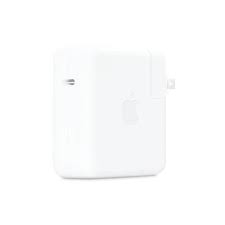
70W USB C Charger: A Complete Guide to Fast, Efficient, and Reliable Charging
Modern technology has made smartphones, tablets, laptops, and other electronic devices essential parts of everyday life. As people rely on these devices for work, education, entertainment, and communication, having a dependable charging solution has become increasingly important. A 70W USB C charger offers a practical balance between charging speed, power efficiency, and portability, making it a useful accessory for many modern electronics.
Unlike traditional low-power adapters, a 70W charger can deliver higher power to compatible devices, helping reduce charging time and improve convenience. However, understanding its capabilities, compatibility, safety features, and benefits is essential before choosing the right model. This guide explores everything users should know about a 70W USB C charger and how it can support their daily technology needs.
What Is a 70W USB C Charger?
A 70W USB C charger is a power adapter designed to deliver up to 70 watts of electrical power through a USB Type-C connection. USB-C is a widely adopted connector standard known for its reversible design, versatility, and ability to support power delivery and data transfer.
The 70W rating represents the maximum power the charger can provide under supported conditions. Actual charging performance depends on the connected device, cable specifications, charging protocol, and battery requirements.
For example, a compatible laptop may use a substantial portion of the charger’s available output, while a smartphone generally draws less power. The charger and device communicate to establish an appropriate power level, helping ensure that the device receives the energy it can safely accept.
Key Benefits of a 70W USB C Charger
Faster Charging Performance
One of the biggest advantages of a 70W USB C charger is its ability to provide higher charging power to compatible electronics. Devices that support USB Power Delivery may recharge more quickly than they would with lower-wattage adapters.
This feature is particularly useful for people who frequently use their laptops or tablets throughout the day. Instead of waiting for extended periods, they can connect their devices during a short break and add useful battery capacity.
However, charging speed is not determined by wattage alone. A device must support the appropriate charging standard and power level to benefit from the charger’s full capabilities.
Versatile Device Compatibility
A quality 70W USB C charger can work with various USB-C devices, including compatible smartphones, tablets, laptops, wireless accessories, and other electronics.
This versatility can reduce the need to carry multiple power adapters. Students might use one charger for a tablet and laptop, while professionals may appreciate having a single adapter for several compatible devices.
Nevertheless, USB-C describes the connector rather than guaranteeing identical charging performance across every product. Checking the manufacturer’s specifications is important before relying on one charger for multiple devices.
Convenient Portability
Many modern 70W chargers are designed with compact dimensions and lightweight construction. Although size varies between models, a portable adapter can fit comfortably inside a backpack, laptop bag, or travel case.
For commuters and frequent travelers, portability makes it easier to maintain access to reliable power at school, work, airports, hotels, and other locations.
A compact charger is especially valuable when desk space is limited or when carrying several electronic accessories would otherwise add unnecessary weight.
Understanding USB Power Delivery Technology
USB Power Delivery, commonly known as USB PD, is a charging standard that allows compatible chargers and devices to negotiate suitable voltage and current levels.
A 70W USB C charger that supports an appropriate USB PD profile can supply different power levels depending on the connected device. This flexibility makes USB PD useful for electronics with different energy requirements.
For instance, a smartphone may request a lower power level, whereas a compatible laptop may negotiate a higher one. The system is designed to establish an appropriate charging arrangement rather than continuously delivering the maximum rated output to every device.
When purchasing a charger, look for clear information about supported power profiles, voltage and current combinations, and compatibility with your electronics.
How to Choose the Right 70W USB C Charger
Check Your Device’s Power Requirements
Start by reviewing the recommended charger specifications for your smartphone, tablet, or laptop. Some devices can accept up to 70W, while others have lower maximum charging limits.
A charger rated above your device’s supported input does not automatically make charging faster. The device generally determines how much power it accepts within the negotiated limits.
For the best results, choose a model that meets your device’s requirements and supports the relevant charging standard.
Select a Suitable USB-C Cable
The cable is another important part of the charging system. A charger cannot deliver its intended performance if the cable is unsuitable for the required power level.
Choose a reputable USB-C cable with an appropriate power rating. Certain higher-power USB-C charging arrangements require a cable rated for 5A and equipped with the necessary electronic identification, depending on the voltage and power profile.
A good cable should also have durable connectors, reliable insulation, and a suitable length for your everyday setup.
Consider Build Quality
Construction quality can affect durability and long-term reliability. Look for a charger made from quality materials with a sturdy casing, secure plug, and well-finished connectors.
A compact design can be helpful, but appearance should not take priority over safety certification, electrical specifications, and trustworthy manufacturing.
Avoid products that provide vague technical details or make unrealistic promises about charging speed and compatibility.
Safety Features and Reliable Charging
Safety should be a major consideration when selecting any power adapter. A reliable 70W USB C charger should incorporate suitable protection mechanisms, which may include overcurrent protection, overvoltage protection, temperature monitoring, and short-circuit protection.
These features help reduce electrical risks during normal operation. However, their availability and implementation vary by product, so buyers should review the manufacturer’s documentation rather than assume every model offers identical protection.
Choose chargers from reputable manufacturers and check for applicable safety certifications in your region. In Pakistan, buyers should also consider whether the adapter’s plug is suitable for local outlets and whether the product’s input voltage supports the local electrical supply.
Avoid covering a charger while it is operating, exposing it to moisture, or using damaged cables. Disconnect equipment if the adapter shows unusual behavior, persistent overheating, or visible damage.
Energy Efficiency and Everyday Convenience
Efficient charging is about more than speed. A well-designed charger can convert electricity into usable charging power while limiting energy lost as heat.
Actual efficiency depends on the charger’s design, load level, operating temperature, and power-conversion technology. Some modern adapters use advanced semiconductor components to improve efficiency and reduce physical size, although performance varies between products.
A versatile charger can also simplify everyday routines. Keeping one compatible adapter in a work bag and another at home may reduce the inconvenience of searching for different charging accessories.
For people with multiple devices, a 70W charger can offer a practical combination of power and flexibility without requiring a particularly large adapter.
Can a 70W USB C Charger Charge Multiple Devices?
The answer depends on the charger’s design. A single-port 70W charger generally supplies power to one connected device at a time. Models with multiple ports may support simultaneous charging, but their total output can be divided between connected devices.
For example, a multiport adapter might provide higher power to a laptop when used alone but allocate less power to that laptop when a phone is connected. The exact distribution depends on the product’s specifications.
Before purchasing a multiport model, check its total maximum output and the individual output limits for each port. This information helps prevent unrealistic expectations about charging several devices at full speed simultaneously.
Common Mistakes to Avoid
One common mistake is assuming that every USB-C charger provides the same charging speed. Connector compatibility does not guarantee identical power delivery, and device support remains essential.
Another mistake is purchasing an inexpensive adapter without checking its safety information or manufacturer details. Poorly designed charging equipment may present unnecessary risks and may not deliver its advertised performance.
Users should also avoid overlooking cable quality, assuming that maximum wattage always means faster charging, or expecting a charger to improve a device’s battery capacity.
Finally, remember that battery temperature, battery-management settings, and the current charge level can influence charging speed. Many devices reduce charging power as the battery approaches full capacity, which is normal behavior.
Conclusion
A 70W USB C charger can be an excellent choice for users who want a versatile, efficient, and convenient charging solution for compatible electronics. Its higher power capacity can support faster charging for suitable laptops and tablets, while its USB-C connection offers broad usefulness across modern devices.
Choosing the right charger requires more than looking at the wattage printed on its packaging. Buyers should consider USB Power Delivery support, cable ratings, safety protections, build quality, and their devices’ specific power requirements.
With the right combination of charger, cable, and compatible electronics, a 70W USB C charger can simplify everyday charging, reduce accessory clutter, and provide dependable power at home, work, or while traveling. Taking time to compare specifications and prioritize product quality will help ensure a more reliable and satisfying charging experience.