How Custom Forged Wheels Transform the Look of Modern Cars
Introduction
Modern cars are more than transportation vehicles. For many enthusiasts, they represent personal style, engineering, and individuality. While exterior paint, body kits, lighting, and interior upgrades can change a vehicle’s appearance, wheels remain one of the most influential elements of automotive design. The right set of wheels can make an ordinary car look more aggressive, luxurious, sporty, or elegant. Among the available wheel options, custom forged wheels have become a popular choice for drivers who want distinctive styling combined with advanced manufacturing quality.
Custom forged wheels offer opportunities to personalize a vehicle according to individual preferences. From unique spoke patterns to carefully selected finishes, these wheels can complement different automotive designs. Their appeal also extends beyond appearance because forged construction can provide an excellent strength-to-weight balance when properly engineered.
Understanding how custom forged wheels transform modern cars helps enthusiasts make informed decisions about style, performance, compatibility, and long-term value.
Understanding Custom Forged Wheels
Custom forged wheels are manufactured using a process that shapes metal under substantial pressure. Unlike conventional cast wheels, which are produced by pouring molten metal into a mold, forged wheels are created from solid metal stock or a forged blank. The material is shaped and then machined to achieve the required design, dimensions, and finish.
This manufacturing approach allows wheel designers to combine carefully engineered structures with distinctive visual details. Buyers can explore different spoke configurations, widths, diameters, offsets, and finishes to achieve a look that suits their vehicles.
The Difference Between Forged and Cast Wheels
Cast wheels are widely used because they can be manufactured efficiently in a variety of designs and price ranges. Forged wheels, however, are often selected for applications where strength, weight management, and premium customization are priorities.
The forging process can create a favorable material structure, although the final quality depends on the alloy, manufacturing methods, engineering, and quality control. Not every forged wheel is automatically better for every driver, and a well-designed wheel must still meet appropriate safety and load requirements.
For car enthusiasts, the appeal lies in combining engineering considerations with greater opportunities for personalization.
Creating a More Distinctive Automotive Appearance
Wheels occupy a prominent position on a vehicle and influence how its entire exterior is perceived. Even when two cars share the same body style and paint color, different wheel designs can make them look remarkably different.
Custom forged wheels allow owners to move beyond standard factory designs and choose a style that reflects their preferences.
Unique Spoke Patterns
Spoke design is one of the most noticeable features of a wheel. Thin multi-spoke patterns can create a refined and technical appearance, while thicker spokes often produce a bold, muscular impression. Split-spoke designs introduce additional visual complexity, and geometric patterns can give modern vehicles a futuristic character.
The right pattern depends on the vehicle’s proportions and styling. A luxury sedan may benefit from a clean, sophisticated design, while a performance coupe may look more dynamic with angular spokes and a motorsport-inspired layout.
Because custom forged wheels can be machined into different shapes, enthusiasts have more opportunities to select designs that distinguish their vehicles from similar models.
Choosing the Right Wheel Finish
Color and surface finish can dramatically change the character of a car. Gloss black wheels often create a strong contrast against lighter paint, while silver and brushed-metal finishes can emphasize clean body lines.
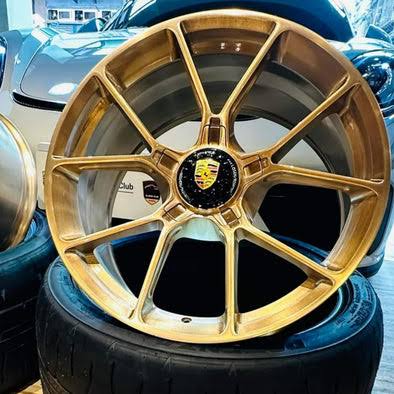
Bronze, gunmetal, and satin finishes offer additional styling possibilities. Polished details can introduce a premium appearance, while darker finishes may give a vehicle a more understated and contemporary look.
When choosing a finish, owners should consider the body color, exterior trim, brake components, and overall design theme. A coordinated appearance usually looks more intentional than selecting a finish without considering the rest of the vehicle.
Enhancing the Proportions of Modern Cars
Wheel size and design influence the perceived proportions of a vehicle. Properly selected wheels can make a car look more balanced, planted, or sporty without requiring extensive body modifications.
Finding the Right Diameter and Width
Larger-diameter wheels can create a more dramatic appearance by filling the wheel arches and emphasizing the vehicle’s stance. However, increasing wheel size also affects tire selection, ride comfort, and overall compatibility.
Wheel width influences the tire profile and the relationship between the wheel and the vehicle body. A suitable combination should be selected according to the manufacturer’s specifications and the car’s suspension geometry.
Choosing dimensions simply because they look impressive can lead to rubbing, poor clearance, or other fitment problems. The best custom forged wheels complement the vehicle while preserving safe and practical operation.
Understanding Offset and Fitment
Offset describes the position of the wheel’s mounting surface relative to its centerline. It affects how far the wheel sits inward or outward within the wheel arch.
Correct offset helps maintain appropriate clearance between the wheel, suspension, brakes, and bodywork. It also contributes to the overall appearance of the vehicle’s stance.
Before ordering custom wheels, owners should verify bolt patterns, center bore, load ratings, brake clearance, offset, and tire compatibility. Professional fitment advice can help prevent expensive mistakes and ensure that the finished setup looks cohesive.
Supporting a Sportier and More Performance-Oriented Look
Many enthusiasts associate custom forged wheels with high-performance vehicles because of their appearance and potential weight advantages.
A lightweight wheel design can complement the styling of sports cars, performance sedans, and modified coupes. Slimmer spokes, angular profiles, and motorsport-inspired finishes can create a visual connection with racing and track-focused engineering.
The Relationship Between Weight and Design
Wheel weight can influence vehicle behavior because wheels are part of the unsprung mass, and their rotational inertia also affects acceleration and braking. Reducing wheel weight may improve responsiveness when the replacement is appropriately designed and lighter than the original equipment.
However, the result depends on the specific vehicle, wheel dimensions, tire combination, and construction quality. A larger forged wheel may still weigh more than a smaller factory wheel.
Buyers should therefore examine actual weight specifications rather than assuming that every forged design is lighter. Appearance and engineering should be considered together.
Complementing Brake Components
Modern performance cars often feature prominent brake calipers and large brake rotors. Wheel designs with open spoke arrangements can make these components more visible, adding visual depth to the overall appearance.
A carefully selected wheel finish can coordinate with the brake calipers or create a deliberate contrast. Nevertheless, sufficient brake clearance is essential, and the design should never compromise the wheel’s structural integrity.
Custom Forged Wheels for Different Vehicle Styles
One reason custom forged wheels attract such broad interest is their adaptability to different automotive categories.
Luxury Sedans
Luxury sedans often benefit from elegant multi-spoke designs, polished surfaces, and restrained colors. These choices can enhance the vehicle’s premium character without overwhelming its original styling.
A balanced wheel design can complement chrome trim, smooth body lines, and sophisticated paint finishes.
Sports Cars and Coupes
Sports cars often suit more dynamic designs, including split spokes, angular patterns, and contrasting finishes. These details emphasize movement and performance, even when the vehicle is stationary.
The selected wheels should also provide suitable brake clearance and work with the car’s intended driving conditions.
SUVs and Performance Crossovers
Modern SUVs combine practical proportions with increasingly sophisticated styling. Custom forged wheels can give these vehicles a more individual appearance through bold spokes, durable finishes, and dimensions appropriate for their size.
Owners should pay particular attention to load capacity, tire specifications, and road conditions when choosing wheels for heavier vehicles.
Durability, Maintenance, and Long-Term Appearance
The appearance of custom forged wheels depends partly on how well they are maintained. Road debris, brake dust, dirt, and harsh cleaning chemicals can affect the finish over time.
Regular cleaning with products suitable for the wheel’s surface can help preserve its appearance. Owners should follow the manufacturer’s maintenance recommendations and avoid abrasive materials that may damage polished, painted, or coated finishes.
Protecting Wheels From Road Damage
Potholes, curbs, and rough road surfaces can damage any wheel, including forged models. Although forged construction can provide a strong material foundation, it does not make wheels immune to impact damage.
Selecting suitable tire sidewalls, maintaining correct tire pressure, and driving carefully over damaged roads can help reduce the risk of problems.
Wheel damage should be inspected by a qualified professional. Cracks, deformation, or other structural issues should never be ignored simply because the wheel still appears attractive.
Considering Finish and Repair Options
Different finishes require different care. Painted and powder-coated surfaces may have different repair requirements from polished or machined finishes.
Before purchasing a custom design, buyers should ask about the finish warranty, cleaning recommendations, and availability of replacement components. Understanding these details helps protect the investment and maintain a consistent appearance.
Choosing Custom Forged Wheels Wisely
Selecting custom forged wheels requires balancing personal style with technical requirements. A design that looks impressive in photographs may not suit every vehicle or driving environment.
Start by identifying the desired appearance, whether it is understated luxury, motorsport-inspired styling, or a bold custom look. Then confirm the correct dimensions, load rating, brake clearance, and tire compatibility.
Buyers should also consider manufacturing quality, material specifications, quality-control procedures, warranty coverage, and the supplier’s reputation. Clear documentation and professional guidance are more valuable than unsupported marketing claims.
Budget planning is equally important. Custom forged wheels can involve higher initial costs because of their manufacturing processes and specialized designs. Buyers should account for tires, installation, balancing, and any necessary fitment checks when calculating the total expense.
Most importantly, wheel modifications should preserve safe handling and comply with applicable vehicle requirements.
Conclusion
Custom forged wheels can transform the appearance of modern cars by introducing distinctive spoke patterns, premium finishes, and carefully selected dimensions. They help enthusiasts express their personal style while complementing the design of luxury sedans, sports cars, SUVs, and other vehicles.
Beyond aesthetics, forged construction can offer useful engineering advantages when the wheels are designed and manufactured to appropriate standards. However, quality, weight, fitment, load capacity, and maintenance remain essential considerations.
The most successful wheel upgrade is one that balances visual impact with practicality and safety. By choosing a design that suits the vehicle, verifying technical specifications, and maintaining the wheels properly, car owners can create a distinctive appearance that remains attractive and functional over time. Custom forged wheels are therefore more than a styling accessory; they are an opportunity to personalize a vehicle while making thoughtful decisions about design and engineering.